
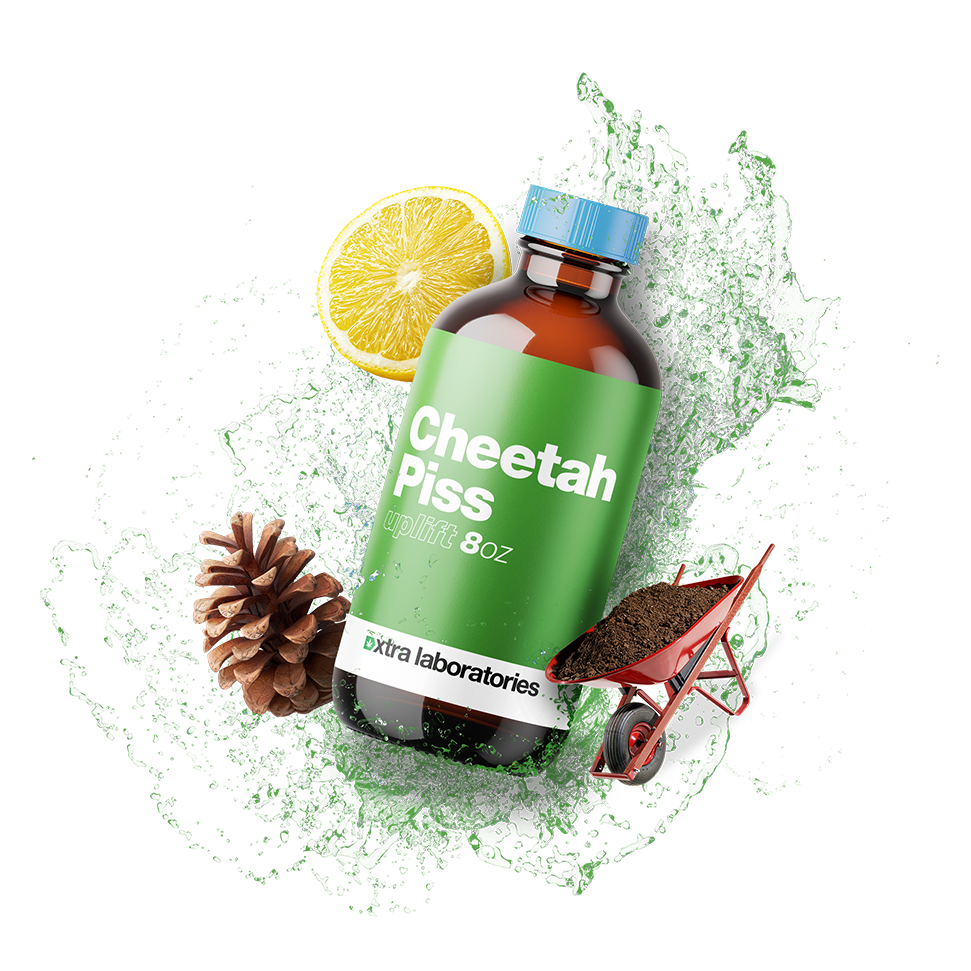
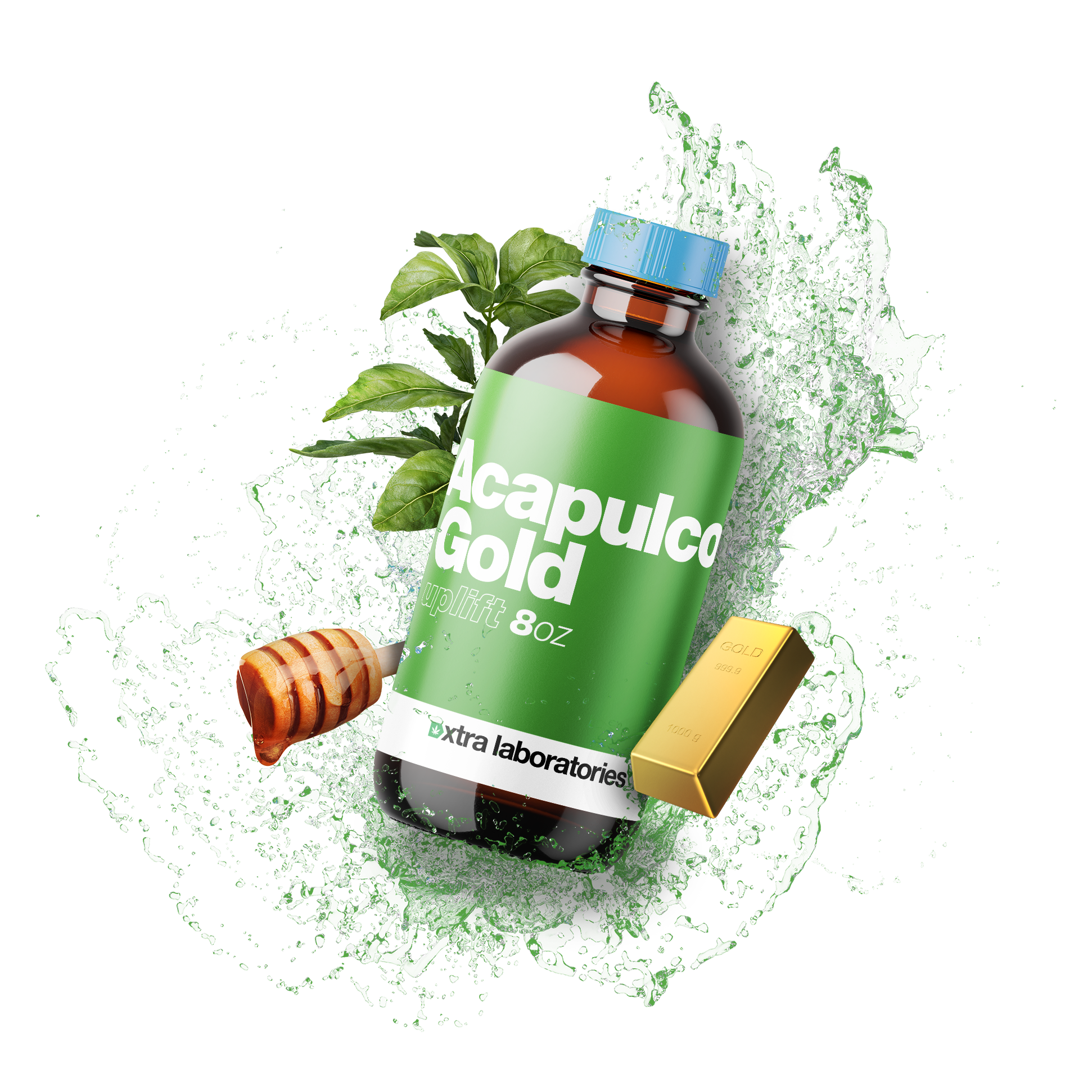
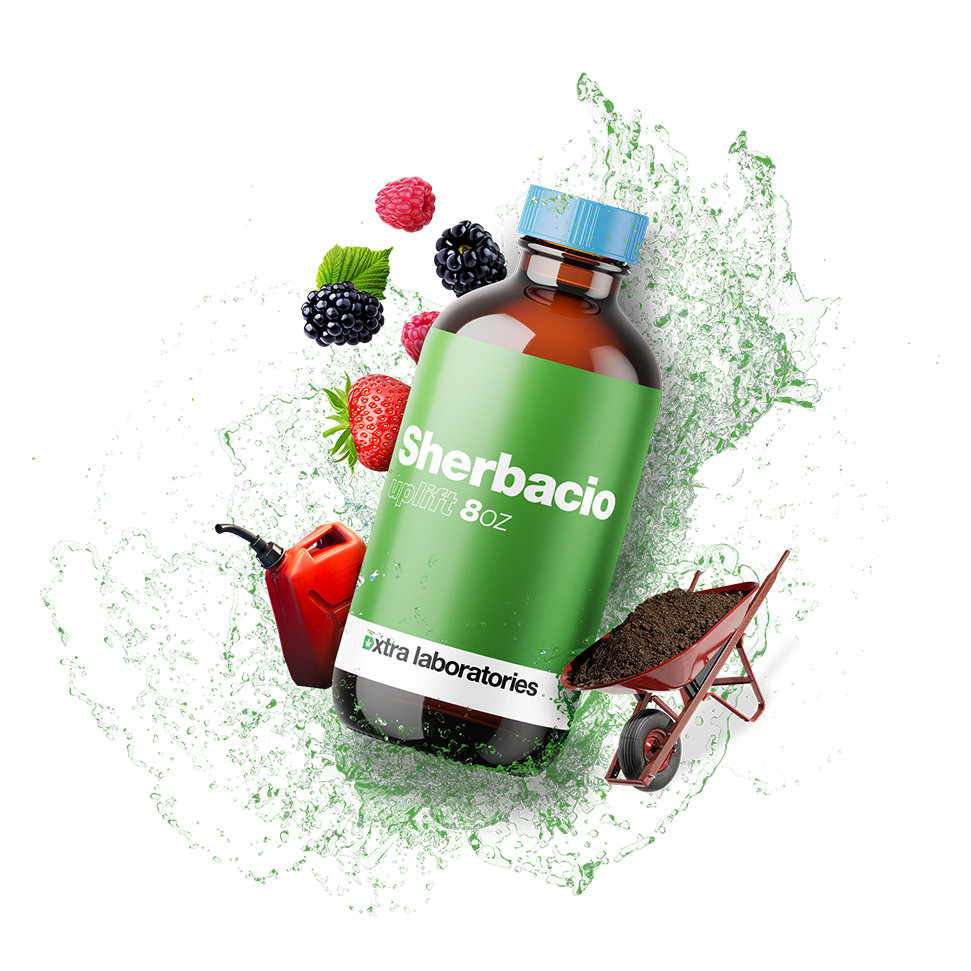
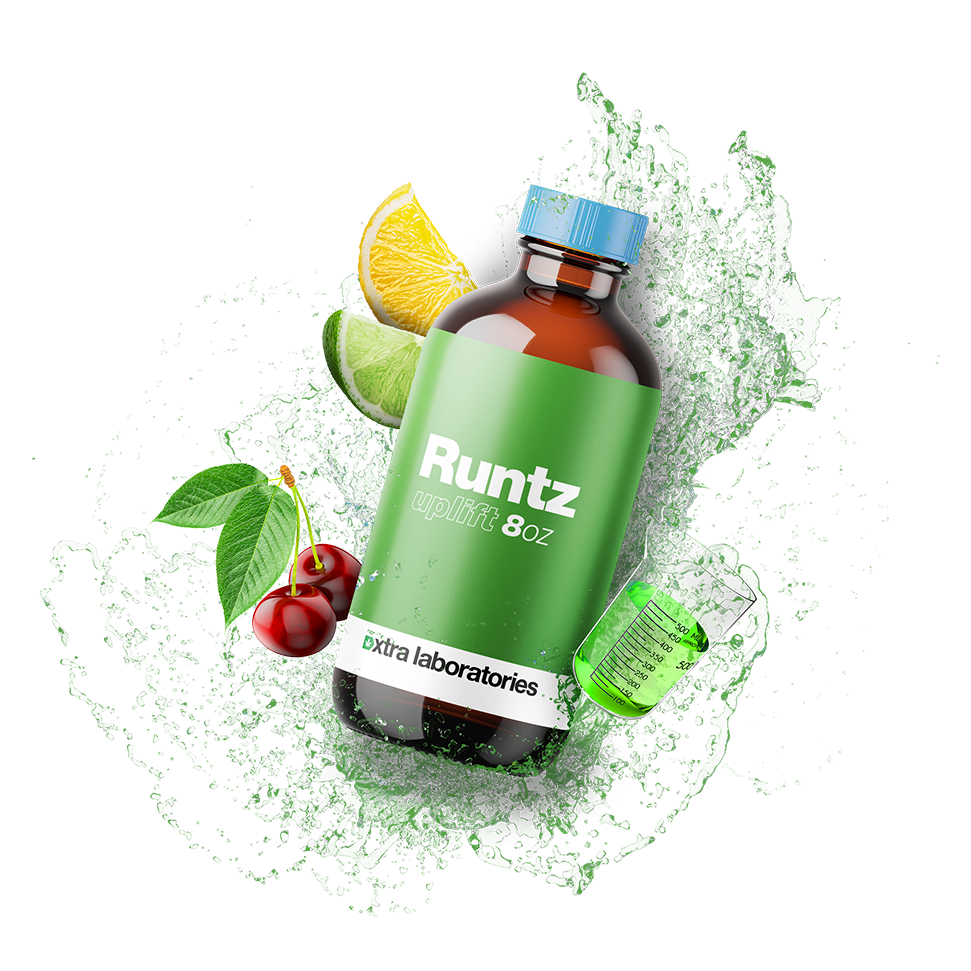
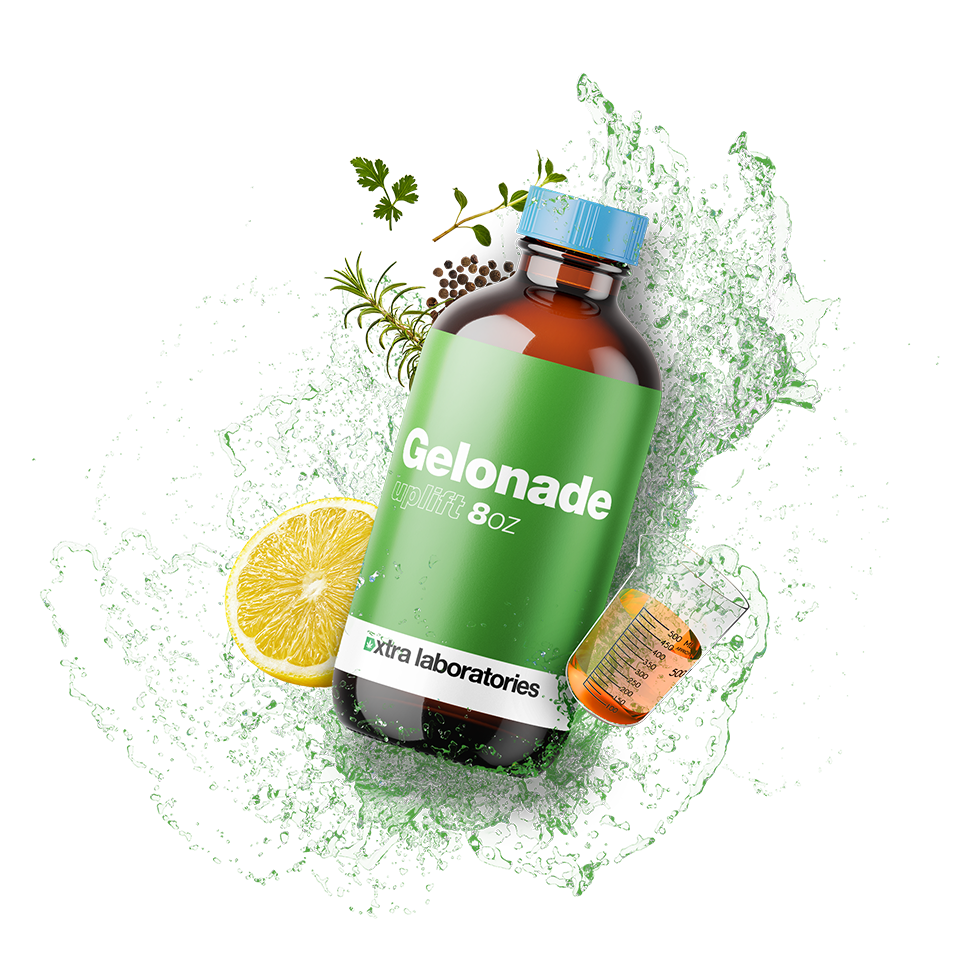
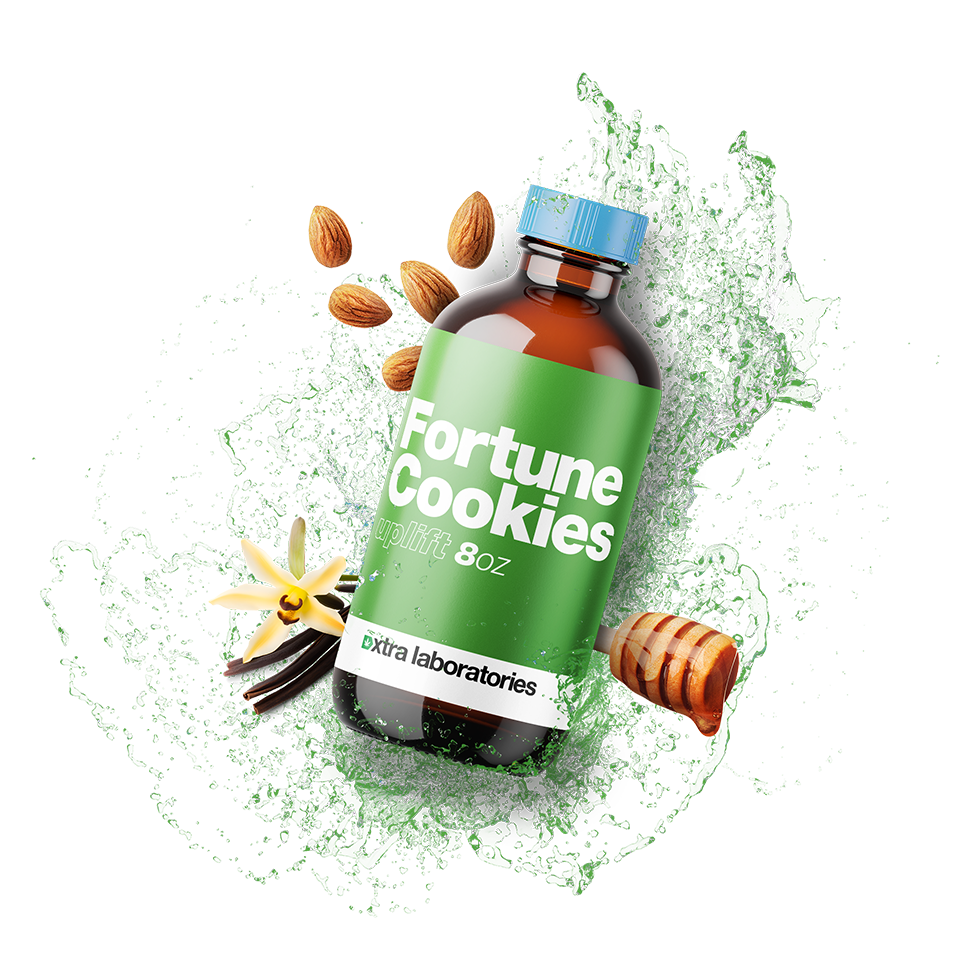
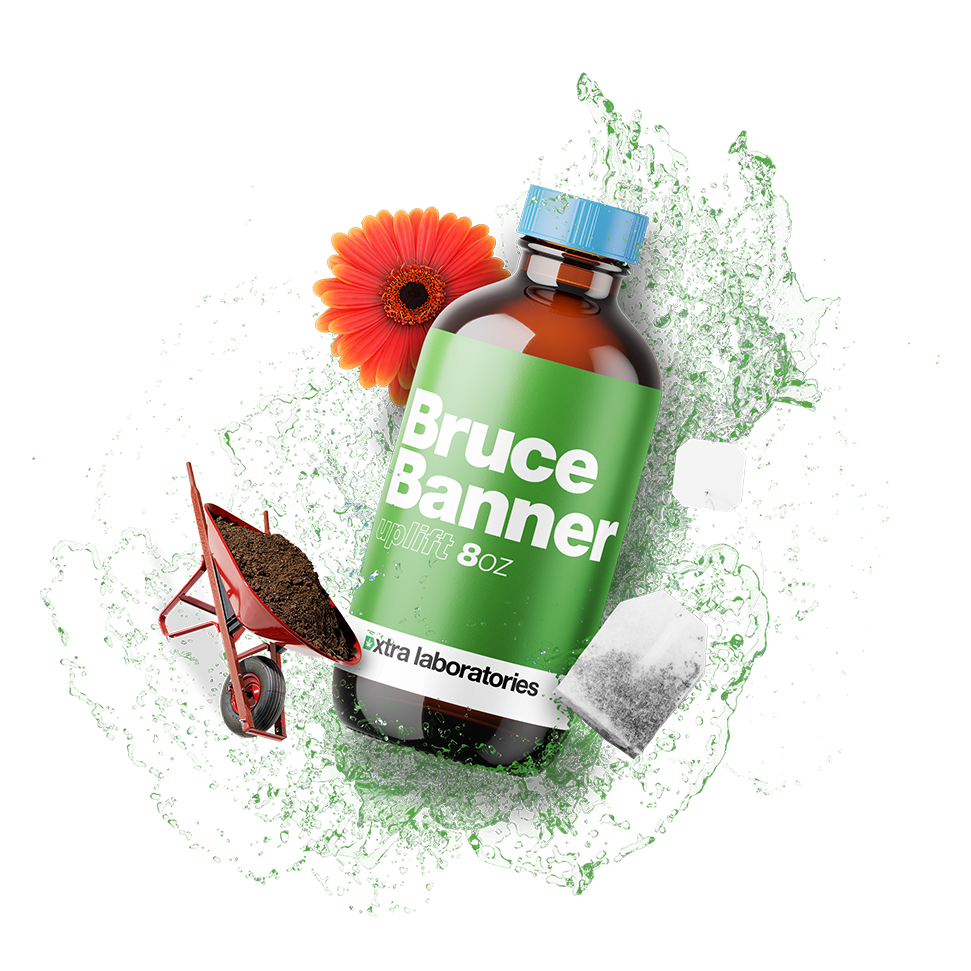
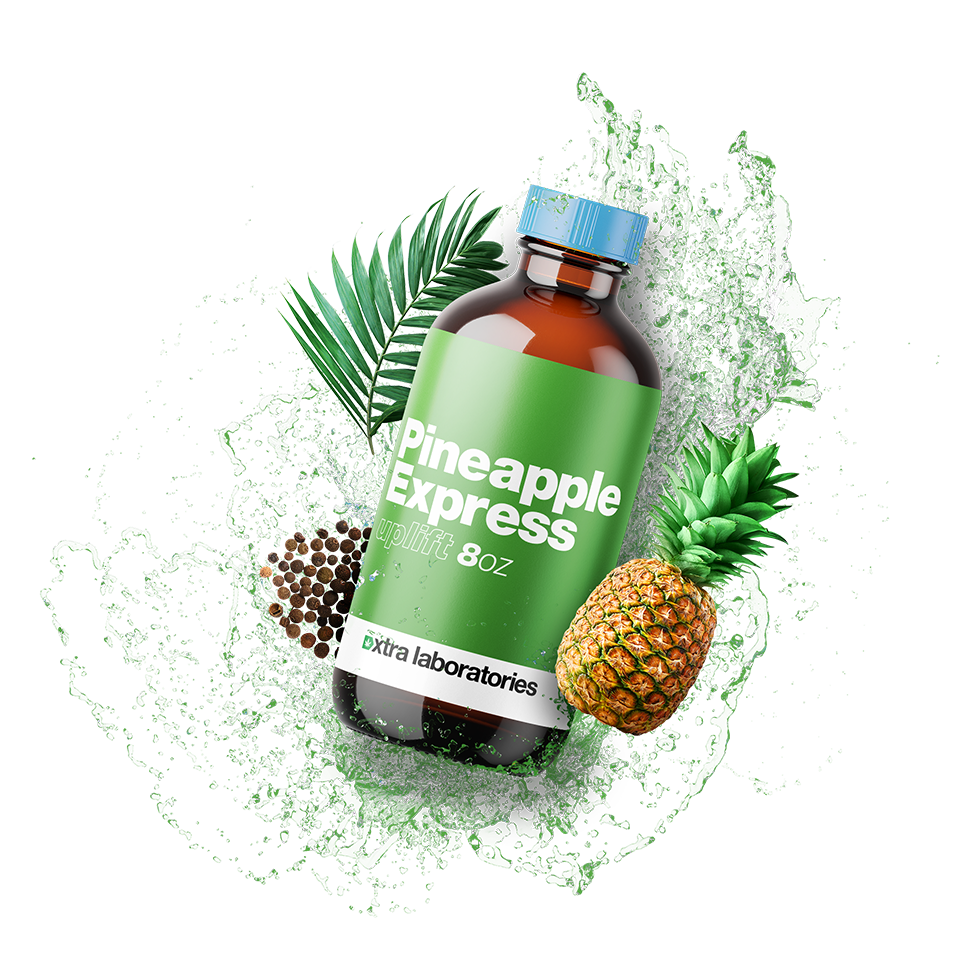
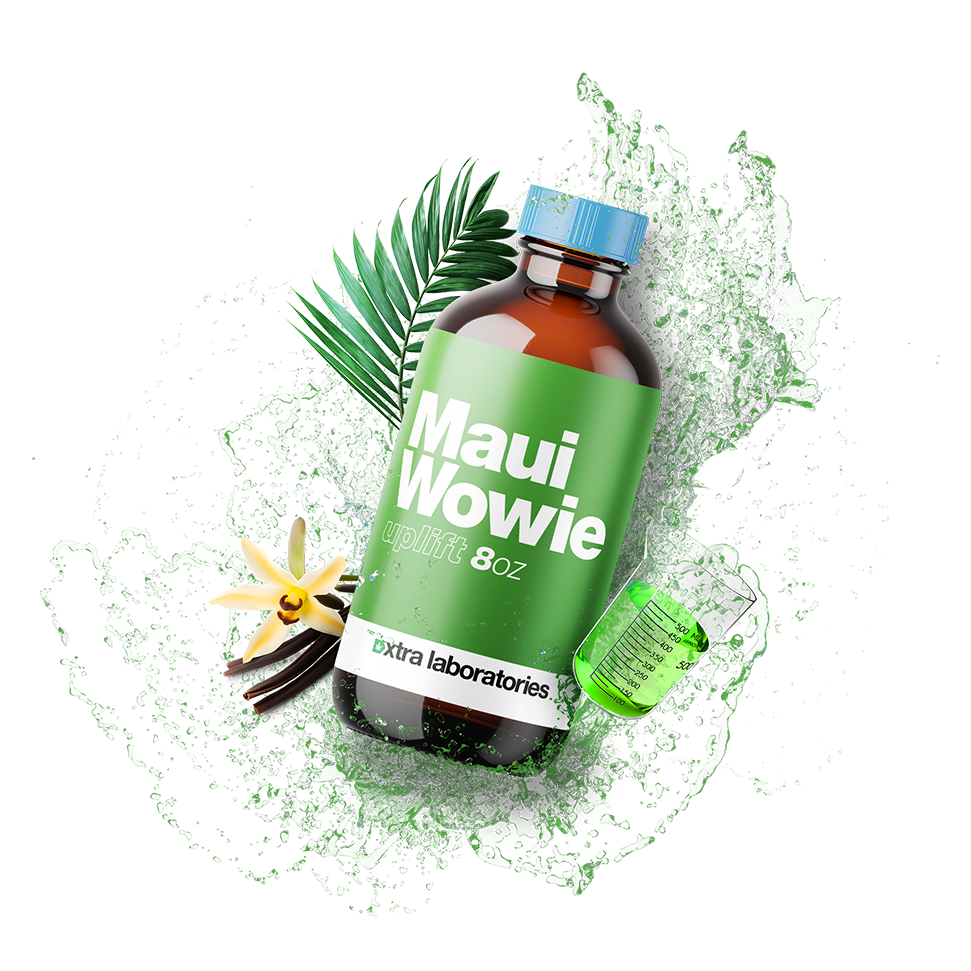
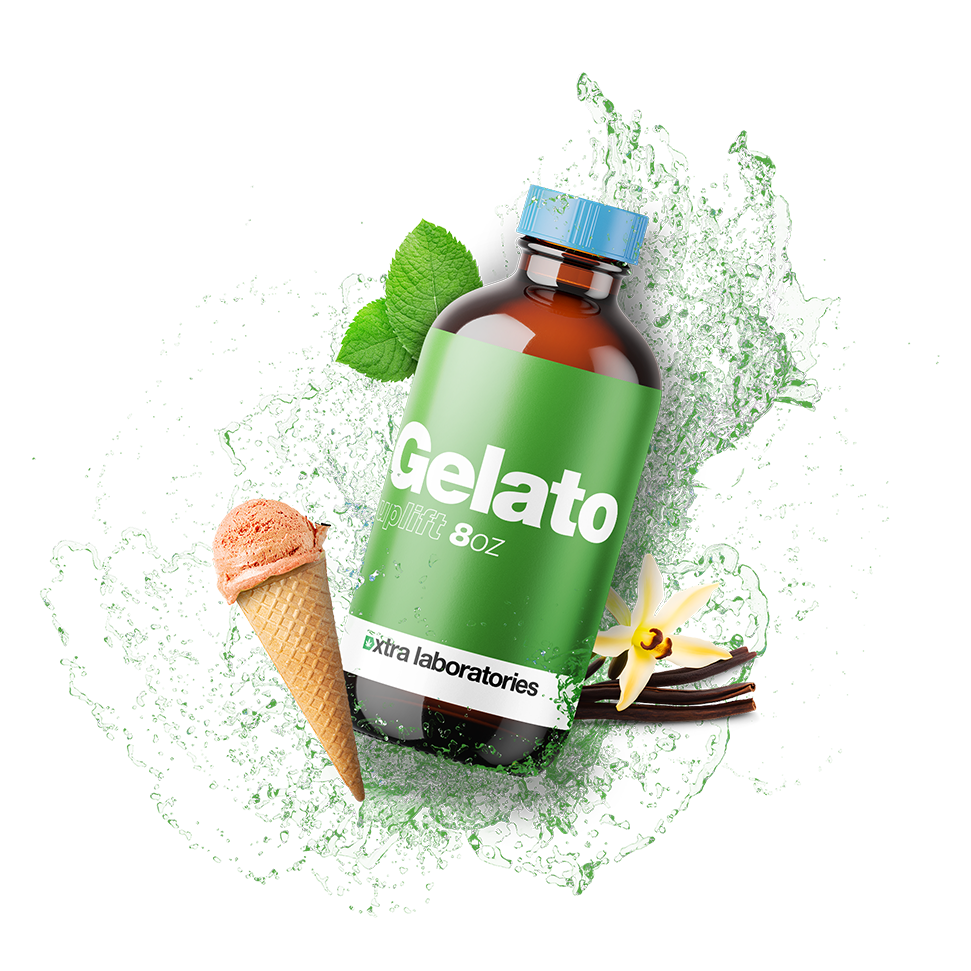
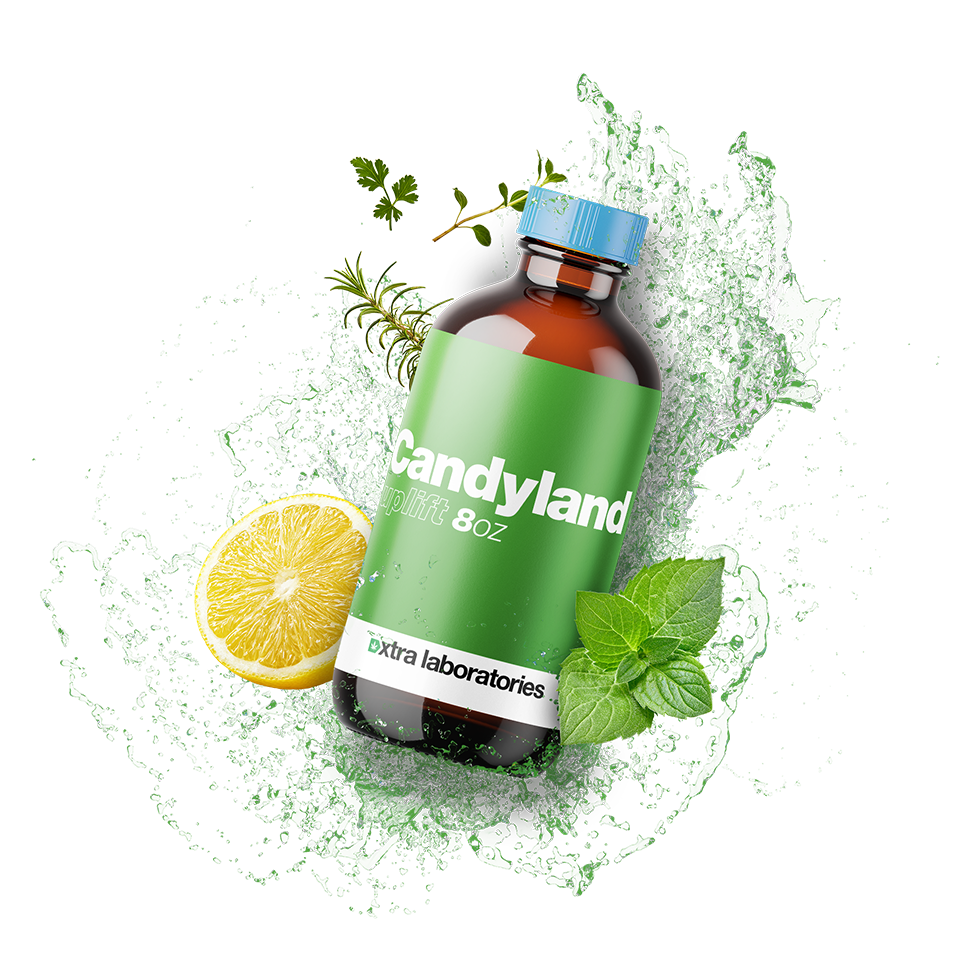
Cut Terpene Costs
Limonene from oranges behaves identically to limonene from cannabis. Same molecule, same flavor, less cost.
Zero Compliance Headaches
Botanicals ship like any other food ingredient. Zero cannabis-specific compliance. GRAS status - food & beverage applications.
Strain Profiles Always In Stock
Test 20 flavor profiles for the cost of 3 CDT samples. Launch seasonal lines without 8-week CDT wait times.
Used By Leading Multi-State Operators
Putting Mac Live Resin into our distillate was mind blowing. More intense high and lasted much longer.
— Pazel Z.
Love this profile for a fruity flavored product. Tastes just like the real thing.
— Eric M.
Been using these guys since day 1 and no one else compares.
— Adam F.
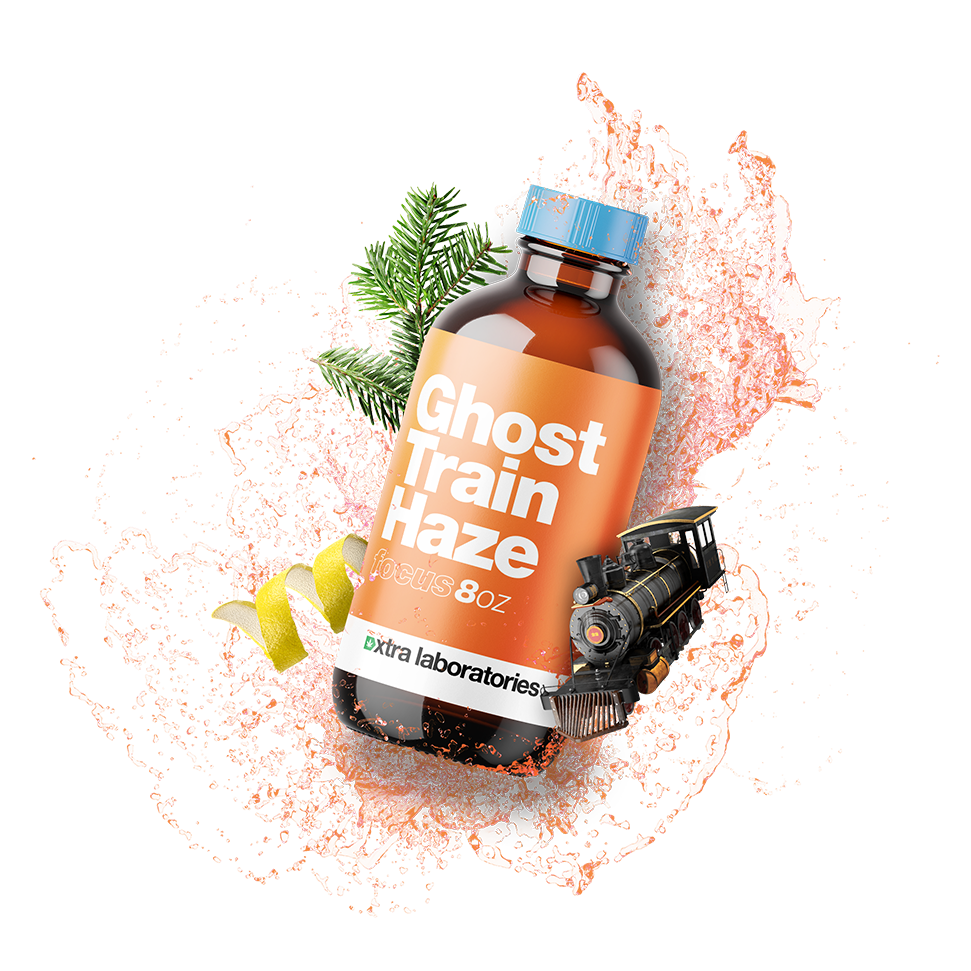
Premium Botanical Terpenes for Flavor & Aroma Formulation
Botanical terpenes let brands recreate familiar, repeatable sensory experiences across product lines. Whether you’re matching a citrus-forward strain or developing a berry medley for an edible, botanically derived terpenes provide predictable flavor and aroma notes that hold from lab bench to retail shelf. Common applications include vape carts, disposables, concentrates, gummies, and other infused goods. Our formulations are crafted to mimic popular profiles while remaining flexible for modification, so you can scale production while maintaining batch-to-batch consistency and fine-tuning mouthfeel, throat hit, and aromatic strength.
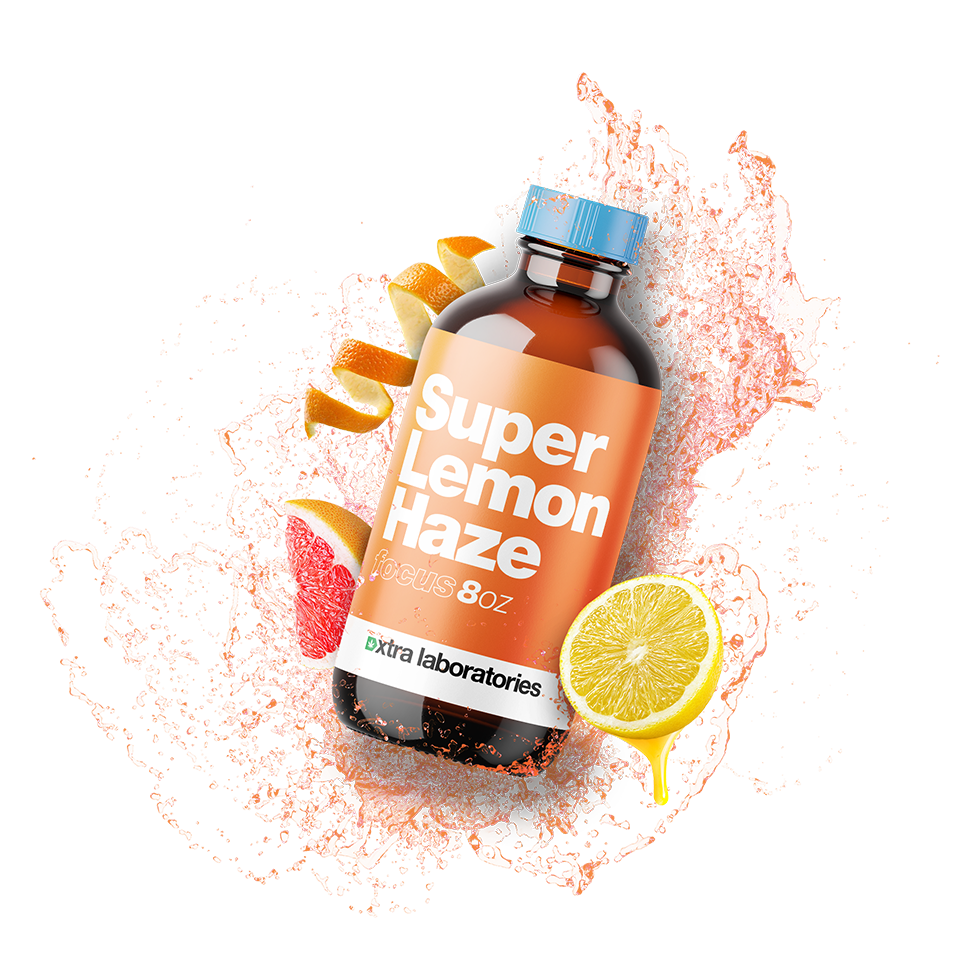
What Are Botanical Terpenes?
Botanical terpenes are volatile aromatic compounds naturally produced by many plants. In plain terms: they’re the molecules that give oranges their bright citrus, lavender its floral calm, and pine its resinous freshness. The phrase “botanically derived terpenes” typically refers to terpenes extracted from non-cannabis sources such as citrus peels, rosemary, pine, lavender, and other culinary or aromatic plants. Unlike the broader term “terpenes,” which can include compounds isolated from cannabis, botanical terpenes emphasize plant sources outside cannabis while delivering comparable aroma and flavor building blocks.
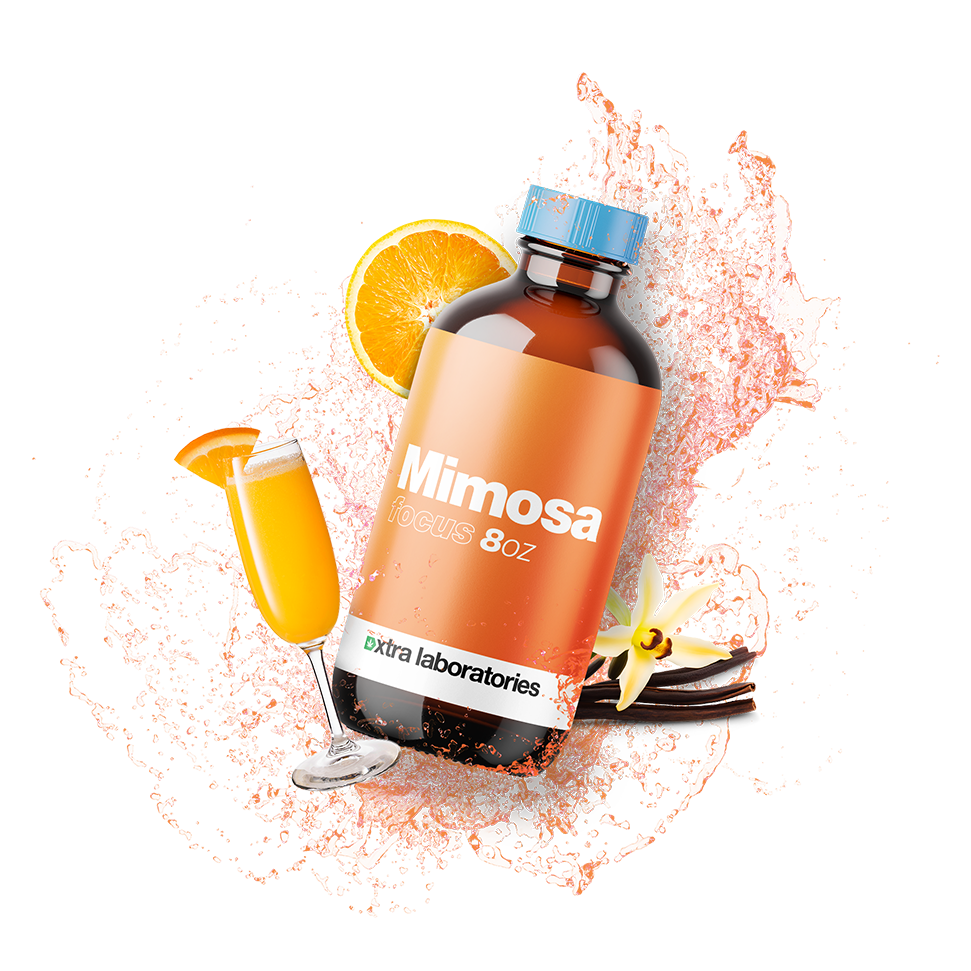
Why Brands Use Botanically Derived Terpenes
Brands select botanically derived terpenes for reliable sourcing, consistent sensory outcomes, and the ability to scale production quickly. Botanically sourced profiles are easier to standardize across batches, so product lines maintain predictable aroma and flavor experiences that consumers recognize.
They’re also highly adaptable; manufacturers can create custom blends for discrete product families (vape, edible, topical) without compromising quality.
Finally, botanical terpene suppliers typically support robust quality control practices, including COAs and standardized manufacturing records, which streamline compliance and product development.
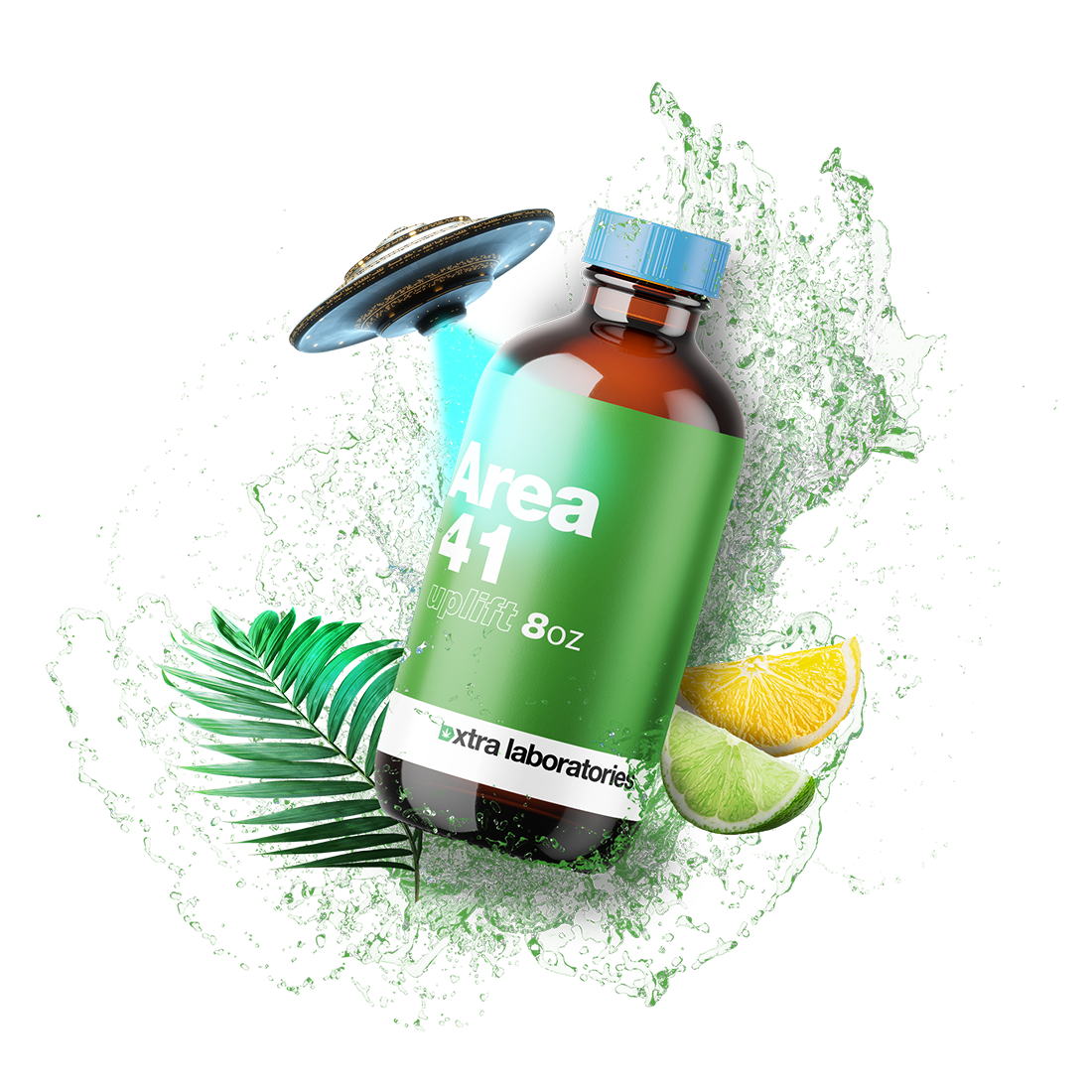
Do Botanical Terpenes Get You High?
No, botanical terpenes themselves are aromatic molecules and are not intoxicating. They influence aroma, flavor, and subjective sensory perception but do not produce the psychoactive effects associated with cannabinoids like THC.
Terpenes can shape a consumer’s experience by altering smell, taste, and perceived onset or character of a product, but describing them as “getting you high” is inaccurate and noncompliant.
We recommend clear labeling and COA transparency so users and regulators understand a product’s active components and sensory attributes.
Botanical Terpenes vs Cannabis-Derived Terpenes
| Feature | Botanical Terpenes | Cannabis-Derived Terpenes |
|---|---|---|
| Source | Extracted from abundant plants (fruits, herbs, botanicals) | Extracted from cannabis biomass |
| Scalability | High; reliable supply and consistent yields | Lower; dependent on crop availability and harvest cycles |
| Profile Consistency | Tight control and reproducible batch-to-batch profiles | Can vary with cultivar, grow conditions, and harvest |
| Profile Accuracy | Can replicate popular profiles but sourced from non-cannabis plants | May more precisely match specific cultivar nuances |
| Regulatory/Supply Constraints | Fewer crop- and regulation-related limits | Potential regulatory and supply constraints |
| Formulation Use | Widely used for scalable, repeatable formulations | Used when cultivar authenticity or specific nuance is required |
| Typical Manufacturer Choice | Preferred for large-scale, consistent production | Chosen for targeted authenticity or niche products |
Botanical Terpene FAQs
What are botanical derived terpenes and how are they different from cannabis-derived?
Botanical derived terpenes are extracted from non-cannabis plants (citrus, pine, lavender), then formulated to match cannabis strain profiles. Molecular structure is identical.
Cannabis-derived products come directly from cannabis.
Real differences: regulatory complexity and cost. Botanicals offer 70-85% savings, food-grade status, and no cannabis regulations.
Choose BDT for: High-volume production, tight margins, food/beverage, or regulatory simplicity.
How much CDT should I use in vape formulations?
Industry standard is 5-10% by weight. Most R&D teams using our cannabis terpenes for vapes find their sweet spot at 4-6%—that's 20-30% less than botanical terpenes.
Pro tip: Start at 3-5%, test in your actual formulation, adjust up. Order sample packs to dial it in before bulk.
Can I blend botanicals with CDT?
Absolutely. Many brands use CDT as a base (3-4%) + botanicals (3-4%) for depth and cost management.
Blending strategies:
- Premium line: 100% CDT
- Mid-tier: 50/50 CDT + botanical
- Volume line: 100% botanical
Let's you offer authentic CDT products without blowing your budget on every SKU.
How much should I use per batch?
Industry standard for botanical terpenes is 4-6% by weight, slightly lower than CDT's 4-6% due to concentration differences. Most R&D teams start at 3-4% and adjust.
Pro tips:
- Start at 3%, test, adjust upward
- Botanicals are forgiving—wider dosing window than CDT
- Order sample packs to dial in your formulation before bulk
Are these safe and compliant?
Yes. Our botanical derived terpenes meet identical standards:
✓ ISO 9001 & GMP certified facilities
✓ Food-grade - GRAS status
✓ Third-party tested COAs
Advantage: Botanicals skip cannabis-specific regulations entirely. Simpler compliance for multi-state and international operations.
Do these work in food and beverage?
Yes, this is where botanicals shine. GRAS status means our food-grade terpenes are approved for edibles, beverages, and topicals without the regulatory complexity of cannabis-derived ingredients.
Perfect for: Gummies, seltzers, tinctures, topicals, cosmetics, and any product entering mainstream retail where "cannabis-derived" creates legal hurdles.
How should I store these?
Cool + dark + sealed tight = 18-24 month shelf life (longer than CDT).
Store in original amber bottles in a cupboard and seal after each use. Botanicals are actually more stable than cannabis-derived compounds due to simpler profiles.
Scale Smarter, Not Harder
Join 200+ brands using botanical-derived terpenes to protect margins without sacrificing quality. Same molecules, better economics.


