
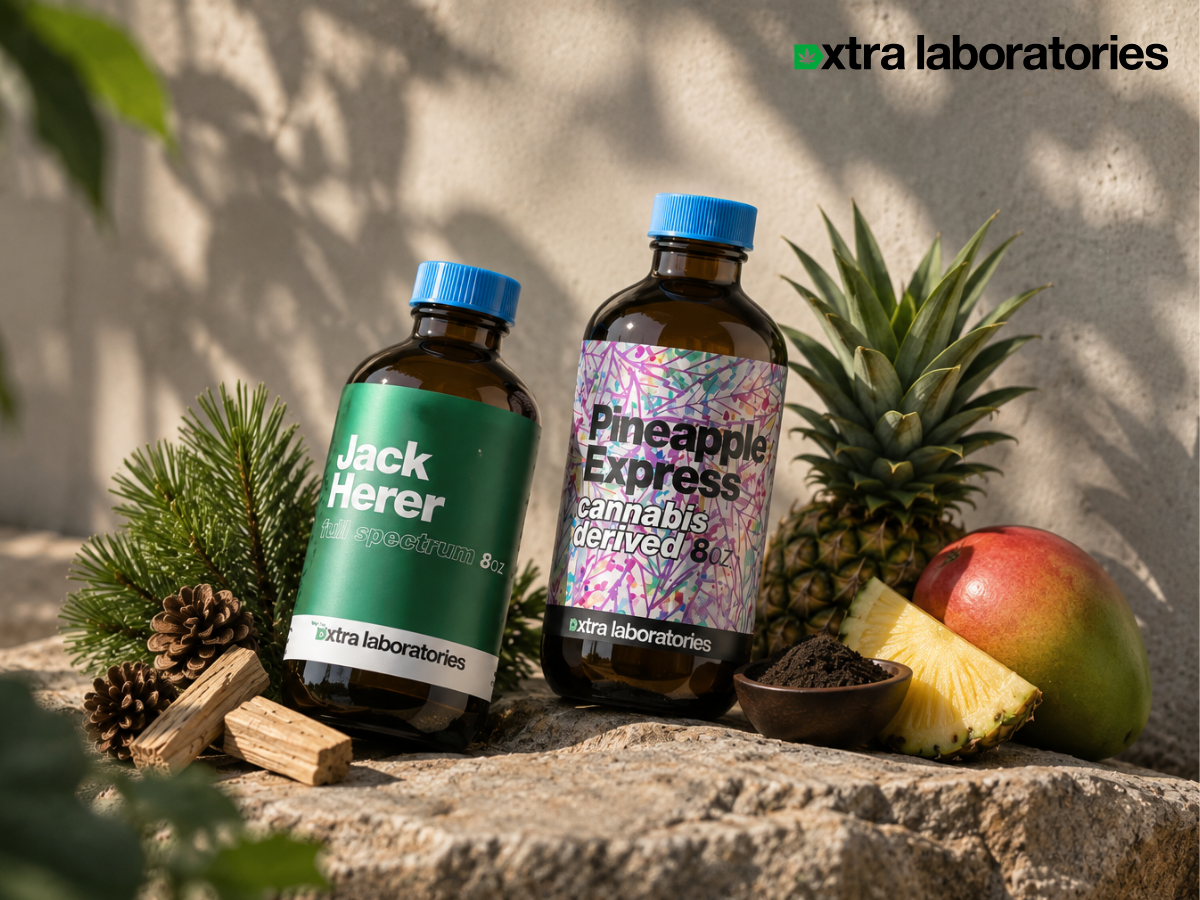

Pinene terpene effects focus on promoting mental alertness, supporting open airways, and supporting cognitive memory during consumption. As one of the most abundant monoterpenes found in conifers, rosemary, and cannabis cultivars, pinene naturally occurs in two distinct forms: alpha-pinene and beta-pinene. This guide covers the mental, physical, sleep-related, and safety profiles of pinene to show how this natural compound influences both product performance and user experience.
Alpha-Pinene vs. Beta-Pinene: Why the Effects Differ
Pinene exists in nature as two chemical isomers: alpha-pinene and beta-pinene. While both share the same chemical formula, their slightly different molecular structures change how they smell and how they interact with human biology. Most cannabis cultivars, botanical extracts, and essential oils contain a natural blend of both isomers.
Alpha-pinene is the most abundant isomer found across both cannabis and conifer trees. Beta-pinene occurs in lower concentrations across most plants, though it remains dominant in specific botanical sources like hops, basil, and dill.
While alpha-pinene leans toward mental alertness and respiratory clarity, beta-pinene leans toward a herbal, grounding quality.
Alpha-Pinene Effects
Alpha-pinene produces a sharp, fresh pine aroma that is instantly recognizable. Its biological profile is tied directly to mental clarity, heightened focus, and an invigorating sensory experience.
-
Scent Profile: Crisp pine needles, fresh forest air, and sharp resin.
-
Primary Associations: Mental focus, daytime alertness, and respiratory opening.
-
Distinctive Property: Research demonstrates that alpha-pinene helps support short-term memory processes and may counteract cognitive fog.
Beta-Pinene Effects
Beta-pinene delivers a warmer, more herbaceous aroma resembling freshly chopped parsley, basil, or hops. While less studied as an isolated compound than alpha-pinene, it plays a vital role in balancing full-spectrum sensory profiles.
-
Scent Profile: Herbal, woody, damp soil, and subtle spice.
-
Primary Associations: Physical grounding, emotional calm, and balanced mood support.
-
Distinctive Property: Beta-pinene adds deep botanical complexity, preventing sharp citrus or diesel notes from overwhelming a formulation.
How Pinene Produces Its Effects
Pinene is a monoterpene, the simplest and most volatile class of terpene structures. Its small molecular size allows it to vaporize easily and cross cellular membranes rapidly.
Unlike caryophyllene, which directly binds to peripheral CB2 cannabinoid receptors, pinene does not dock directly onto cannabinoid receptors. Instead, it exerts its effects through independent physiological and neurological pathways:
-
Airway Relaxation: Upon inhalation, pinene interacts with airway smooth muscle tissue, acting as a natural bronchodilator to expand lung passages.
-
Enzyme Modulation: Pinene acts as an acetylcholinesterase inhibitor. By slowing the breakdown of acetylcholine, a primary neurotransmitter responsible for memory and focus, pinene supports cognitive retention.
-
Pharmacokinetic Enhancement: Pinene modulates how other active plant compounds, including THC and CBD, pass into the bloodstream, refining overall onset and duration.
|
Parameter |
Alpha-Pinene |
Beta-Pinene |
|
Aroma |
Crisp Pine, Sharp Resin |
Herbal, Hops, Woody |
|
Primary Physical Effect |
Bronchodilation (Airway Opening) |
Physical Grounding & Calm |
|
Primary Cognitive Effect |
Alertness & Memory Support |
Stress Reduction & Mood Balance |
|
Common Sources |
Pine Needles, Rosemary, Eucalyptus |
Hops, Basil, Dill, Parsley |
Mental Effects of Pinene
Pinene's cognitive impact is the main reason formulators and consumers seek out pinene-rich profiles. By engaging directly with brain chemistry without causing central nervous system overstimulation, pinene shapes day-to-day mental performance.
Alertness and Focus Effects
Inhaling the sharp, clear aroma of pinene triggers immediate sensory wakefulness. This effect mirrors the natural mental clarity you feel when walking through a pine forest.
-
Supports sustained attention during long cognitive tasks.
-
Promotes daytime energy without the jitters associated with caffeine.
-
Enhances creative focus when combined with uplifting cultivars like Jack Herer or Pineapple Express.
Memory and Cognitive Effects
Short-term memory disruption is a known side effect of high-THC consumption. Alpha-pinene directly addresses this challenge. By inhibiting acetylcholinesterase, alpha-pinene helps protect acetylcholine levels in the hippocampus, the seat of memory formation in the human brain.
This biological interaction makes pinene a critical compound for users who want the therapeutic or recreational benefits of cannabinoids while maintaining clear cognitive recall.
Mood and Calm Effects
While pinene is energizing, it is not aggressive. It helps soothe nervous system tension and promotes calm clarity. This balance makes pinene-rich formulations effective for managing everyday mental stress while keeping the mind sharp and present.
Physical Effects of Pinene
Beyond its cognitive influence, pinene interacts directly with physical systems throughout the body.
Breathing and Airway Effects
Pinene acts as a natural bronchodilator. In low, controlled concentrations, inhaled pinene relaxes bronchial passages, opens airways, and encourages deeper, easier breathing. This property makes it a valuable component in daytime vapes, pre-rolls, and functional inhalers designed for outdoor activity or active lifestyles.
Body Comfort and Physical Relief
Pinene exhibits notable anti-inflammatory properties. It helps modulate inflammatory signaling pathways, offering physical comfort for joint stiffness and post-workout muscle recovery. When combined with caryophyllene and myrcene, pinene forms a well-rounded foundation for topical balms and full-spectrum recovery oils.
Sleep and Relaxation: Does Pinene Help or Hinder?
A common question among consumers is whether pinene belongs in night-time formulations. Because pinene supports mental alertness, high doses of isolated alpha-pinene are generally avoided in dedicated sleep aids.
However, pinene does not cause insomnia. When paired with heavy, sedative terpenes like myrcene or linalool, pinene helps round out the physical relaxation experience without inducing an unpleasant, groggy mental state.
-
Daytime & Focus Blends: High Pinene + Limonene + Terpinolene.
-
Nighttime & Deep Rest Blends: Low Pinene + High Myrcene + Linalool.
Safety, Side Effects, and Tolerance
Pinene is classified as Generally Recognized as Safe (GRAS) by the FDA for food and fragrance use. However, as a concentrated compound, proper handling and inclusion rates are essential.
Potential Side Effects
-
Airway Irritation: While low doses open airways, excessively high inclusion rates in vape cartridges (exceeding 5% total terpenes) or direct combustion of pure pinene can irritate throat tissue.
-
Skin Sensitivity: Undiluted pinene applied topically can cause redness or skin irritation. Topicals should keep total terpene concentrations between 0.25% and 0.5%.
-
Drying Sensation: High-pinene vapor can create a slight drying feel in the mouth and nasal passages.
Dosing and Inclusion Recommendations
-
Vape Cartridges: Target 1% to 3% pinene within a balanced 2% to 5% total terpene system.
-
Infused Pre-Rolls: Blend pinene into a concentrate carrier (like distillate or live resin) before flower application to prevent harsh combustion.
-
Edibles & Beverages: Maintain inclusion rates between 0.1% and 0.3% to avoid an overpowering pine taste.
High-Pinene Cannabis Strains and Botanical Sources
Pinene is widespread across nature and commercial cannabis genetics.
Popular High-Pinene Cultivars
-
Jack Herer: Famed for its bright pine aroma, sharp mental focus, and elevated creative energy.
-
Pineapple Express: Combines tropical sweetness with underlying pinene complexity for a balanced, uplifting daytime high.
-
Blue Dream: Uses alpha-pinene alongside myrcene to deliver gentle physical easing paired with clear mental retention.
-
Dutch Treat: Features a distinct pine-and-eucalyptus nose that supports mood balance and stress relief.
Non-Cannabis Botanical Sources
-
Conifer Trees: Pine, spruce, and fir needles contain the highest concentrations of natural alpha-pinene.
-
Culinary Herbs: Rosemary, basil, parsley, and dill are rich in both alpha- and beta-pinene.
-
Citrus Peels & Hops: Provide complementary botanical terpenes used in high-grade botanical terpene formulations.
Pinene in the Entourage Effect
In cannabis chemistry, no terpene works in isolation. The entourage effect describes how cannabinoids (THC, CBD, CBG) and terpenes interact synergistically to produce better outcomes than isolated molecules.
Pinene plays a unique modulating role. While cannabinoids bind to CB1 and CB2 receptors throughout the brain and body, pinene shapes how those signals are processed:
-
THC + Pinene: Pinene helps preserve clear thinking and memory recall, softening the heavy head-fog sometimes triggered by high THC doses.
-
CBD + Pinene: Combines anti-inflammatory pathways to deliver superior joint comfort and calm mental clarity without sedation.
-
Pinene + Limonene: A classic daytime blend that elevates mood, sharpens focus, and provides clean mental drive.
Formulation Insights: Using Pinene in Cannabis Products
For brand owners and product formulators, pinene is a powerful strategic tool. However, its high volatility and sharp sensory profile require precise handling.
Hardware & Viscosity Performance
-
Viscosity Modifier: Pinene acts as a natural thickener within oil blends compared to thinning terpenes like limonene or myrcene.
-
Hardware Compatibility: High pinene levels require quality ceramic hardware. Inferior plastic cartridges may experience swelling or seal degradation over time when exposed to high concentrations of volatile monoterpenes.
Protecting Pinene from Thermal Degradation
Monoterpenes like pinene are sensitive to heat, light, and oxygen.
-
Vaporization Temperatures: Pinene has a boiling point of roughly 311°F (155°C). Formulators developing vape hardware should calibrate heating elements to avoid scorching delicate top notes.
-
Combustion Dynamics: Burning pinene at flame temperatures above 1000°F during pre-roll consumption alters its molecular structure. Never spray raw terpenes onto dry flower. Always dissolve pinene into a concentrate carrier (like rosin or distillate) first to insulate the terpene from direct heat degradation.
Sourcing: Botanical vs. Cannabis-Derived Terpenes (CDT)
-
Botanical Pinene: Isolated from pine needles or rosemary, botanical alpha-pinene offers 98%+ purity, batch-to-batch consistency, and stable pricing ($300–$1,500 per liter). It serves as an ideal backbone for scalable core lines.
-
Cannabis-Derived Pinene (CDT): Extracted directly from cannabis cultivars, CDT pinene captures subtle, authentic strain-specific notes ($2,000–$15,000 per liter). It is best reserved for ultra-premium hero SKUs where true strain fidelity justifies the higher cost.
By engineering product profiles around the biological realities of pinene, brands can move beyond simple flavor claims and build functional, memory-encoding products that keep customers coming back.
Frequently Asked Questions
Pinene is known for supporting mental focus, encouraging daytime alertness, opening respiratory pathways, and assisting short-term memory retention during cannabinoid use.
Pinene leans energizing and clarifying. It promotes mental wakefulness rather than sedation, making it ideal for daytime use.
Alpha-pinene smells like crisp pine needles, sharp forest resin, and eucalyptus. Beta-pinene adds a warmer, herbal scent reminiscent of fresh basil, parsley, and hops.
Yes. Research indicates that alpha-pinene acts as an acetylcholinesterase inhibitor, slowing the breakdown of neurotransmitters responsible for memory formation and helping preserve cognitive clarity.


Share:
Linalool Terpene Effects: The Calming, Lavender-Scented Terpene Guide
Caryophyllene Terpene Effects: What This Terpene Really Does to Your Body