

Close your eyes and think of the smell of fresh lavender crushed between your fingers on a warm summer afternoon. You probably know the aroma before you even know its chemical name. That distinct, soothing floral scent is linalool, one of nature's most powerful volatile compounds.
Linalool is a naturally occurring monoterpene alcohol found in cannabis, lavender, mint, and cinnamon. Best known for its calming, anxiolytic, and sedative properties, it acts as a primary neurological trigger for relaxation. Whether you are a consumer searching for evening relaxation or a formulator engineering a high-performing product line, understanding linalool terpene effects is essential for mastering functional product design.
What Is Linalool?
At its chemical core, linalool is a monoterpene alcohol present in over 200 plant species, including lavender, mint, coriander, and sweet basil, as well as cannabis cultivars.
Unlike heavy, musky monoterpenes like myrcene or sharp monoterpenes like pinene, linalool presents a lighter, floral chemical profile with a hydroxyl group that gives it unique aromatic and functional characteristics. It smells unmistakably floral, softly sweet, and features a subtle spicy or herbal undertone.
Whether extracted from lavender (botanically derived) or isolated from cannabis (cannabis-derived), the linalool molecule is chemically identical. For formulators, this means botanical linalool delivers the exact same functional performance, aroma, and limbic system response as its cannabis-derived counterpart, at a fraction of the cost.
Linalool Terpene Effects
Linalool’s popularity is rooted in its profound biological interaction with the human central nervous system. By bypassing initial cognitive filters and interacting directly with the limbic system, the hippocampus and amygdala, linalool rapidly encodes memory and alters mood states.
Linalool Molecules
Direct Neural Activation
(Amygdala & Hippocampus)
-
Calming and Anxiety Support: Research suggests linalool exerts anxiolytic effects by modulating GABA-A receptors in the brain. GABA is your brain's main inhibitory neurotransmitter; by enhancing GABAergic activity, linalool helps quiet neural overactivity and soothe stress.
-
Sleep Latency Reduction: Linalool interacts with adenosine production pathways, promoting natural drowsiness and helping reduce the time it takes to fall asleep.
-
Mood Grounding: The compound provides emotional grounding, making it a foundational element in stress-relief formulations and evening product lines.
-
Analgesic and Anti-Inflammatory Properties: Aromatherapy and preclinical studies highlight linalool's ability to soothe systemic inflammation and mitigate pain perception.
*Disclaimer: Terpene effects reported here reflect preclinical research and observational aromatherapy data. Terpenes are functional raw materials and are not intended to diagnose, treat, cure, or prevent any medical condition.
Linalool Aroma & Flavor Profile
Linalool features a floral, lavender-forward signature with delicate sweet notes and a mild herbal-spice finish.
In commercial flavor matrix design, linalool serves as an extraordinary "smoothing agent". Raw cannabinoid distillates or high-potency vape formulations can often carry sharp, gas-heavy, or harsh throat notes. Formulators use linalool to round out aggressive citrus (limonene) or intense fuel profiles, creating a silky, polished exhale.
- Primary Notes: Lavender, fresh blossom, sweet floral
- Secondary Notes: Sweet spice, herbal undertones
- Formulation Role: Softening agent, dessert/floral note builder, relaxing base anchor
Linalool Terpene Strains



Linalool vs. Other Calming Terpenes
Formulators aiming to create targeted sedative or anti-anxiety products often compare linalool with myrcene and nerolidol.
|
Feature |
Linalool |
Myrcene |
Nerolidol |
|
Aroma Profile |
Floral, lavender, sweet spice |
Earthy, musky, herbal |
Bark, woody, floral-citrus |
|
Primary Effect |
Anxiolytic, mental calm, GABA modulation |
Heavy physical sedation, muscle relaxation |
Deep sedative, subtle grounding |
|
Vapor Behavior |
Smooths vapor, reduces throat hit |
Thins viscosity, anchors heavy base notes |
Adds woody depth and lingering finish |
|
Common Strains |
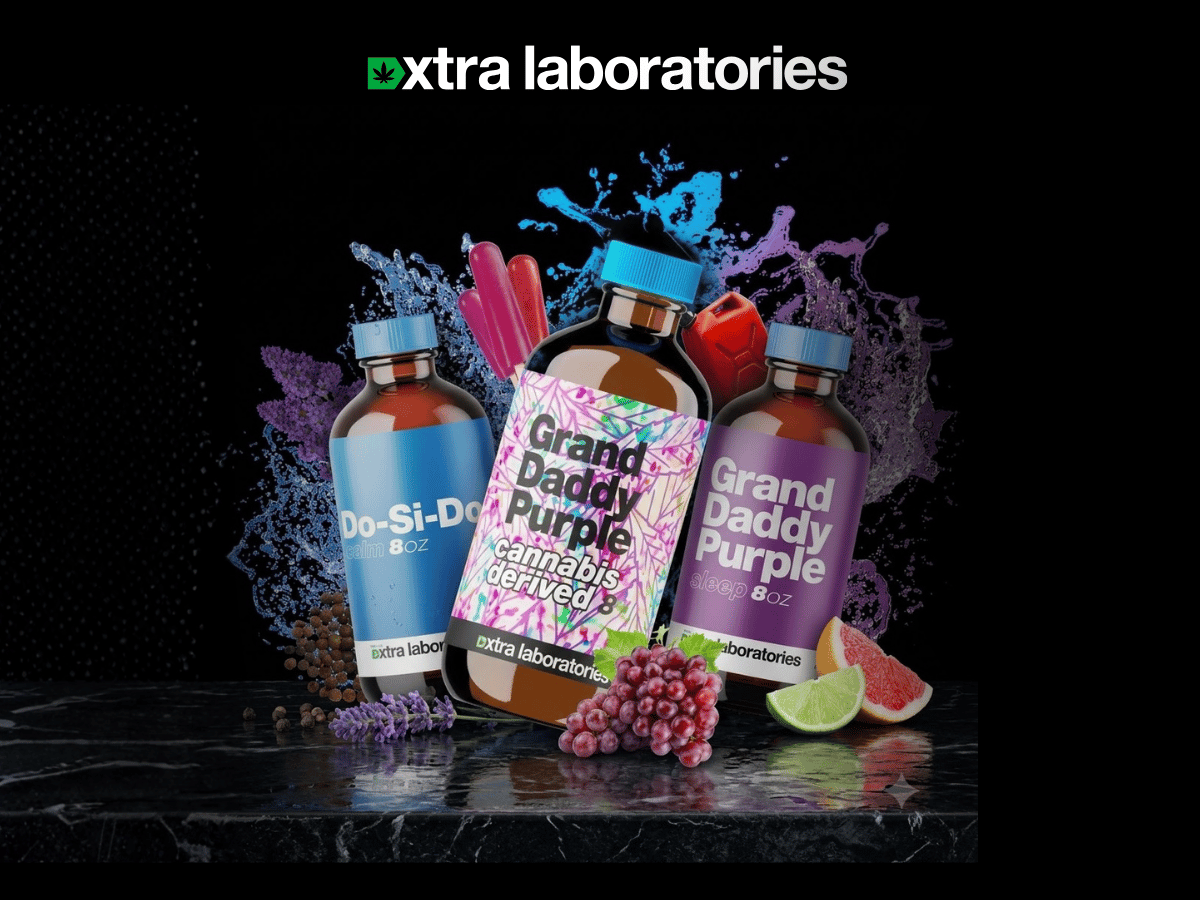
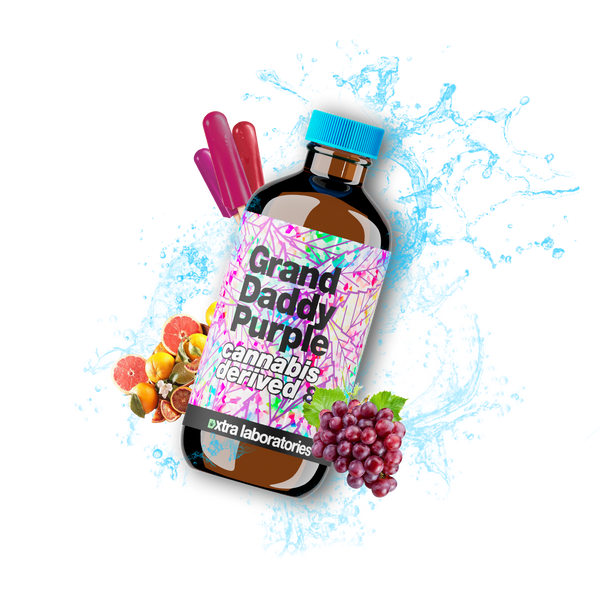
Do-Si-Dos, Granddaddy Purple |
Blue Dream, Granddaddy Purple |
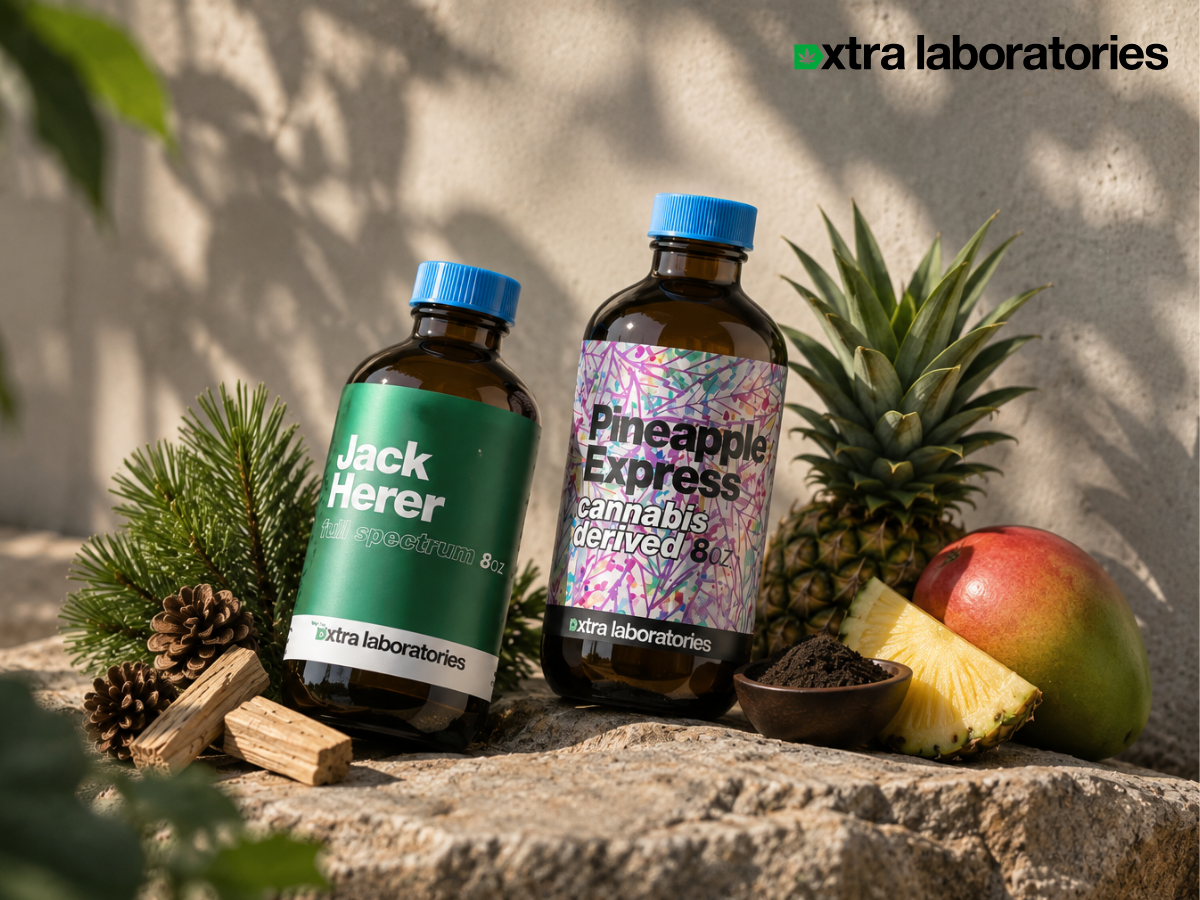
Jack Herer, Island Sweet Skunk |
The Power of Synergy: Linalool + Myrcene
When building sleep products, pairing linalool with myrcene creates a powerful two-terpene base. Myrcene supplies body relaxation and viscosity control, while linalool calms mental chatter and smooths out the inhale. For deeper formulation strategies, check out our deep-dive guides on Which Terpenes Help With Sleep? and The Best Terpenes for Anxiety.
How to Use Linalool in Formulations
Formulating with terpenes is functional chemistry. Pushing terpene inclusion rates too high leads to harsh throat hits, hardware degradation, and customer churn.
Recommended Inclusion Rates
| 0.1% - 0.5% | 0.25% - 0.5% | 2.0% - 3.0% |
| Edibles & Beverages | Topicals & Creams | Vape Oil Formulations |
- Vape Cartridges & Concentrates: 2.0% – 3.0% target inclusion (max 5.0%). Linalool provides smooth vapor quality and prevents harsh-hit complaints.
-
Infused Pre-Rolls: 0.5% – 1.5% integrated into a concentrate carrier (rosin/distillate). Never spray raw terpenes directly onto flower.
-
Edibles & Beverages: 0.1% – 0.5%. Linalool adds a floral note to fruit profiles like blueberry or grape.
-
Topicals: 0.25% – 0.5% diluted in skin-safe carrier oils.
Strategic Synergy Stacks
-
The Bedtime Stack: Linalool + Myrcene (mental grounding + body heavy).
-
The Stress Relief Stack: Linalool + β-Caryophyllene (GABA-A modulation + CB2 receptor activation for systemic calm without heavy intoxication).
Formulator's Tip: Dialing in precise batch ratios requires math, not guesswork. Use the Xtra Laboratories Terpene Calculator to calculate exact inclusion percentages and carrier ratios for your R&D runs.
Frequently Asked Questions
Linalool interacts with the brain's GABA-A receptors and limbic system to promote relaxation, soothe feelings of stress, and support restful sleep.
It features a floral, lavender-forward aroma with sweet undertones and a soft herbal-spicy edge.
Yes. Botanically derived linalool and cannabis-derived linalool are molecularly identical (C10 H18O).
Notable linalool-rich strains include LA Confidential, Amnesia Haze, Lavender Kush, Do-Si-Dos, and Granddaddy Purple.
No. Linalool is non-intoxicating. However, when combined with THC or CBD, it modulates the entourage effect to deliver a calmer, smoother experience.
Myrcene pairs exceptionally well for sleep prlllofiles, while caryophyllene and limonene pair well for stress modulation and balanced daytime relaxation.
Yes, when used within standard industry inclusion guidelines. For topical applications, keep total terpene concentrations under 0.5% to prevent skin irritation.
Shop Linalool-Rich Terpene Blends
Consistency is the ultimate competitive advantage in product manufacturing. Whether you are scaling an established strain profile or engineering a custom sleep formulation, Xtra Laboratories provides lab-tested, ultra-pure terpene profiles that guarantee repeatable sensory experiences batch after batch.
-
Explore Pure Linalool Isolates: Ideal for custom profile development and viscosity refinement.
-
Discover Calming Blend Formulations: Strain-accurate and botanical blends optimized for vapes, pre-rolls, and edibles.
-
Order Sample Packs: Test our profiles in your actual production hardware and oil matrices before committing to scale.
Ready to elevate your product line's sensory architecture? Shop Lab-Tested Linalool Blends Today at Xtra Laboratories!
Do you have any questions about this article, or would you like to explore custom terpene blending solutions for your brand?
Share:
What Are Terpenes Used For? The Complete Guide to Terpene Uses & Effects
Pinene Terpene Effects: What This Terpene Does to Your Body and Mind