
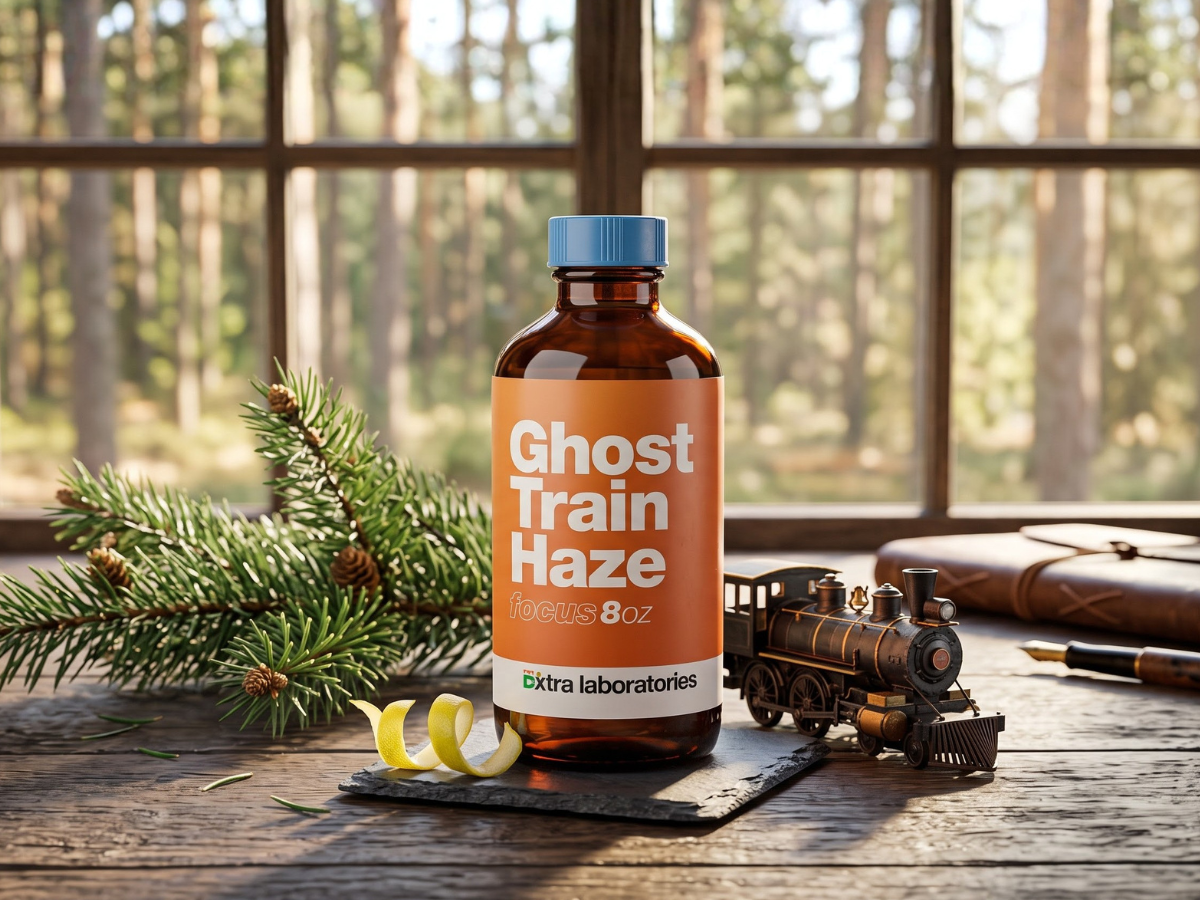

When consumers opened a vape cartridge or smelled a premium flower strain in the early days of legal cannabis, many assumed the distinct aroma of citrus, pine, or sweet berries was unique to the cannabis plant. In reality, nature uses a universal biological toolkit to construct aromatic profiles.
This raises a fundamental question for cannabis product formulators and brand developers: Are botanical terpenes chemically different from cannabis terpenes?
The short answer is no; a terpene molecule isolated from a botanical plant is chemically identical to the same terpene molecule isolated from cannabis. Whether d-Limonene originates from an orange peel or a batch of Super Lemon Haze, its molecular structure, functional properties, and interaction with human biology remain exactly the same. However, where and how you source these molecules drastically alters your operational costs, regulatoary compliance, and supply chain reliability.
In this guide, you will learn the exact definition of botanical terpenes (BDTs), where they are sourced, how they compare to cannabis-derived terpenes (CDTs), and why integrating them into your formulation strategy can drive long-term business scale.
The Quick Version
- What BDTs Are: Botanical Terpenes (BDTs) are pure, natural aromatic compounds extracted from non-cannabis plants (such as citrus fruits, pine needles, lavender, and herbs) and re-blended to match specific strain profiles or functional outcomes.
- Chemical Identity: On a molecular level, a terpene isolated from a botanical source is 100% identical to the same terpene isolated from cannabis.
- Commercial Advantage: Sourcing botanical terpenes yields 70–85% cost savings compared to cannabis-derived options, offers year-round supply consistency, and bypasses complex cannabis licensing restrictions during shipping and manufacturing.
What Are Botanical Terpenes, Exactly?
Terpenes are volatile organic compounds responsible for the distinct scents, flavors, and biological characteristics found throughout the plant kingdom. While cannabis is extraordinarily rich in terpenes, it is far from the only plant that produces them.
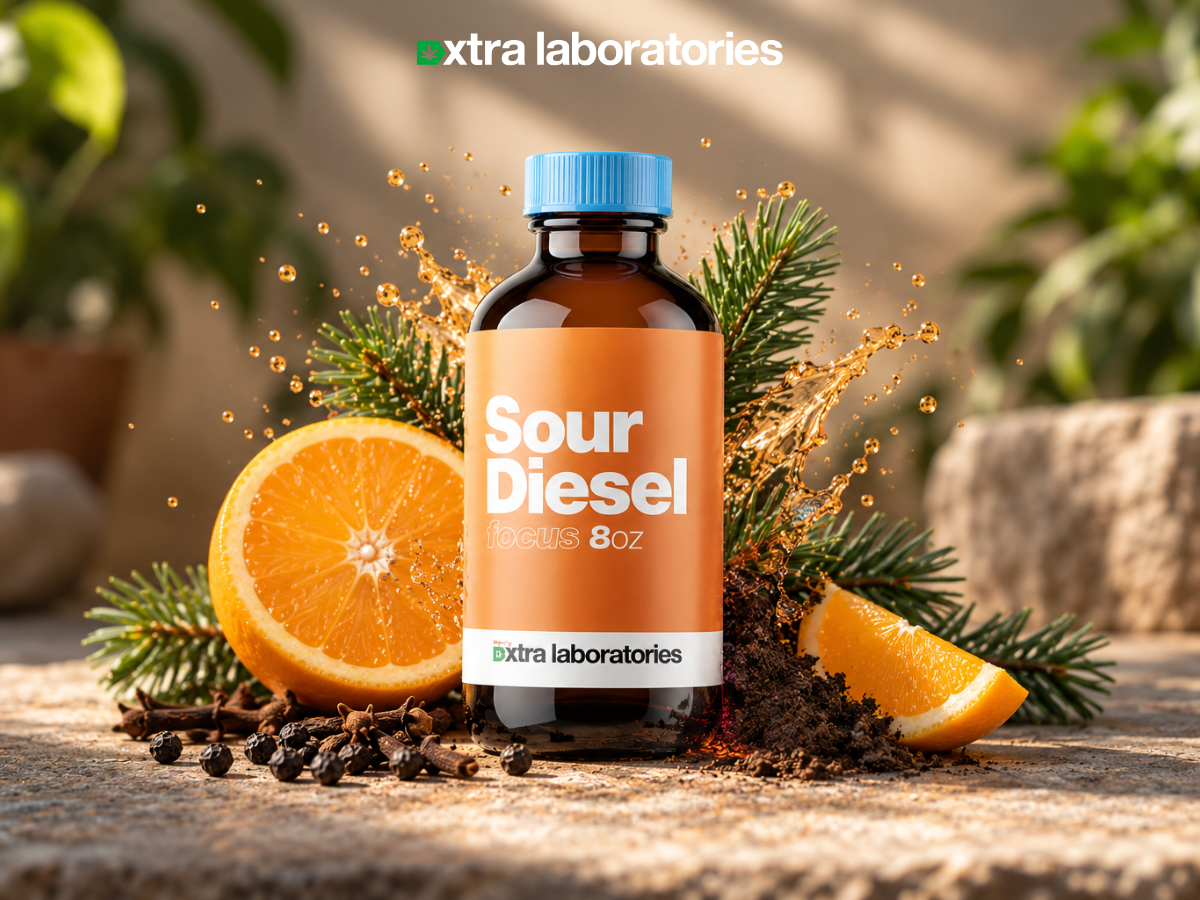
Botanical-derived terpenes (BDTs) are isolated directly from traditional agricultural plant sources, such as lemons, cloves, pine trees, and hops, rather than cannabis biomass. Once these individual compounds (isolates) are extracted at high purity (often 95% to 98%+), formulators recombine them in precise ratios to replicate iconic cannabis cultivar profiles such as Blue Dream or Sour Diesel.
Because a molecule is defined by its atomic structure rather than its origin, d-Limonene from an orange peel is identical to d-Limonene from cannabis. Your olfactory receptors and biological systems process both compounds in exactly the same way.
Where Do They Actually Come From?
Botanical terpenes are harvested from common agricultural crops using gentle extraction methods like steam distillation or fractional distillation, preserving the integrity of the delicate aroma compounds.
Here is where some of the primary terpenes are found in nature and how they contribute to product formulation:
|
Terpene |
Natural Botanical Source |
Aroma Profile |
Primary Functional Attribute |
|
d-Limonene |
Citrus peels (oranges, lemons) |
Bright, fresh citrus |
Elevates mood, reduces formulation viscosity |
|
α- / β-Pinene |
Pine needles, conifer resins |
Sharp, fresh pine |
Supports alertness, memory retention, and mental clarity |
|
Linalool |
Lavender, mint blossoms |
Floral, sweet, lavender |
Delivers smooth vapor finish, promotes calming effects |
|
Myrcene |
Hops, mangoes, lemongrass |
Earthy, musky, herbal |
Anchors sedative/evening profiles, thins thick oils naturally |
|
β-Caryophyllene |
Black pepper, cloves |
Spiced, woody, pepper |
Binds directly to CB2 receptors to support anti-inflammatory responses |
To replicate complex strain profiles using BDTs, formulators utilize Gas Chromatography-Mass Spectrometry (GC-MS) mapping. GC-MS analysis breaks down the chemical "fingerprint" of a raw cannabis strain, enabling chemists to rebuild that exact ratio using individual botanical isolates.


Botanical vs. Cannabis-Derived Terpenes (Comparison Table)
Choosing between BDTs and CDTs comes down to your brand’s margin requirements, scale objectives, and regulatory footprint. Neither source is universally "better"—they fulfill distinct commercial and technical needs.
|
Strategic Metric |
Botanical-Derived Terpenes (BDT) |
Cannabis-Derived Terpenes (CDT) |
|
Raw Material Source |
Agricultural plants (citrus, lavender, pine) |
Cannabis biomass or fresh frozen flower |
|
Supply Stability |
Year-round availability; immune to crop failures |
Harvest-dependent; seasonal supply variations |
|
Cost / Liter |
$300 – $1,500 / L |
$2,000 – $15,000+ / L |
|
Regulatory Status |
Food-Grade / Generally Recognized as Safe (GRAS) |
Strictly regulated under state cannabis licensing laws |
|
Batch Consistency |
Replicable down to 0.1% purity variations |
Varied profile based on agricultural grow conditions |
|
Best Used For |
High-volume vapes, edibles, topicals, beverages |
Ultra-premium, small-batch, authentic strain-replica lines |
Why It Matters for Your Product Line
For brand owners, operational scale requires building a predictable business model. Relying entirely on CDTs for mass-market product lines can create severe bottlenecks in supply chain and profitability.
1. Direct Cost Control
Cannabis-derived terpenes average between $2,000 and $15,000 per liter, whereas high-purity botanical terpenes typically cost $300 to $1,500 per liter. Integrating BDTs into core product offerings delivers 70–85% savings on input costs, dramatically widening gross margins without sacrificing sensory experience.
2. Regulatory Simplicity & Compliance
Botanical terpenes ship standard as food-grade ingredients under FEMA/GRAS (Generally Recognized as Safe) classifications. Because BDTs contain zero cannabinoids or THC, they ship across state lines without triggering complex cannabis transport manifests or tracking systems. This compliance advantage makes BDTs essential for formulating infused edibles, functional beverages, and topical lines.
3. Supply Chain Reliability & Scale
Relying on cannabis harvests exposes your brand to supply chain disruptions, batch-to-batch flavor drift, and typical 6- to 8-week extraction lead times. Botanical terpenes offer guaranteed, year-round supply stability with identical chemical ratios across every production batch.
Do Botanical Terpenes Get You High?
No, botanical terpenes are completely non-intoxicating . Terpenes are aromatic hydrocarbon molecules, not cannabinoids like Delta-9 THC or CBD. While terpenes interact synergistically with cannabinoids to shape the "entourage effect"—modulating how cannabinoids absorb, cross membranes, and express their overall character- they do not possess psychoactive properties on their own.
Compliance Warning on Product Labeling: Brands must ensure packaging and marketing copy clearly state that terpenes drive flavor, aroma, and functional harmony, rather than claiming BDTs cause psychoactive effects. Misleading claims can breach FDA guidelines and local cannabis advertising standards.
Getting Started
Upgrading your formulation infrastructure or introducing BDTs into an existing SKU does not require an overhaul of standard operating procedures (SOPs) or new hardware.
- Maintain Current Ratios: If your vape line currently uses a 5% inclusion rate of terpene profiles, keep the exact same ratio when transitioning to a high-purity BDT blend.
- Conduct Bench Testing: Run side-by-side bench evaluations comparing your current formulation against BDT-based samples to test viscosity, hardware burn rates, and flavor delivery.
- Protect the Limbic Connection: Consistently matching flavor profiles across batches creates a positive sensory bookmark in your customer's memory, building long-term brand loyalty.
Ready to elevate your margins and lock in batch-to-batch consistency? Order an Xtra Laboratories Sample Pack today to test high-purity botanical profiles directly in your production lab.
Educational & Compliance Disclaimer
This article is intended solely for educational, informational, and B2B product formulation purposes. Statements regarding terpene characteristics, molecular properties, or functional qualities have not been evaluated by the Food and Drug Administration (FDA). Terpenes are not intended to diagnose, treat, cure, or prevent any disease. Product formulators and brand owners are solely responsible for ensuring that final commercial products, labeling claims, and ingredient inclusions comply with all applicable local, state, and federal laws.
Share:
The Best Terpenes for Anxiety (and How to Use Them)
7 Powerful Benefits of D-Limonene (And Why Your Brand Should Care)