


What are terpenes?
Not all terpenes work the same way for nighttime formulas. Some feel bright and uplifting, while others lean heavy, calming, and deeply relaxing—so the best terpenes for sleep depend on the profile you build, not just a single ingredient. The entourage effect matters here too, because the right blend of terpenes for sleep can work better together than any one compound alone. Here’s a practical guide to the sleep-focused terpene profiles that matter most.
What Are Terpenes and Why Do They Affect Sleep?
Terpenes are aromatic compounds found in cannabis, plants, fruits, herbs, and flowers. They shape flavor and scent, but they also interact with the body in ways that can influence relaxation, mood, and nighttime comfort. In cannabis, terpenes are often discussed alongside the endocannabinoid system and the central nervous system because those pathways help explain why some profiles feel more calming than others.
One important mechanism is their relationship with GABA receptors, especially for sedating terpenes like myrcene and linalool. GABA is one of the body’s main calming signaling systems, so terpenes that support that pathway are especially relevant in sleep-focused formulations. Terpenes can also amplify one another through the entourage effect, which is why blends often outperform single-note profiles. For sleep products, that combination effect is often the difference between a mildly relaxing formula and a truly nighttime-ready one.
The 5 Best Terpenes for Sleep


1. Myrcene: The #1 Sedating Terpene
Myrcene is the most reliable terpene when the goal is a heavier, more sedating profile. It has an earthy, musky, tropical aroma and is the most abundant terpene in cannabis, which is one reason it shows up so often in nighttime formulations. It is strongly associated with the classic “couch lock” effect and is believed to help other compounds act faster by increasing blood-brain barrier permeability.
You’ll often find myrcene dominant in OG Kush , Granddaddy Purple, and Blue Dream. For formulators, it usually serves as the foundation of a sleep blend because it sets the tone for the entire profile. Among the best terpenes for sleep, myrcene remains the strongest of the five.
2. Linalool: The Calming Terpene
Linalool brings a floral, lavender-like aroma with a lightly spicy edge. It is also the dominant terpene in lavender oil, which gives it strong recognition in aromatherapy and calming botanical products. Its best-known role is supporting a more peaceful mental state, especially when sleep is blocked by stress or anxiety.
This terpene acts on GABA-A receptors, which helps explain its anxiolytic and sedative reputation. Linalool is common in Do-Si-Dos, and Amnesia Haze. In formulations, it pairs especially well with myrcene and often works best as part of a two-terpene sleep base.
3. Nerolidol: The Deep Sleep Terpene
Nerolidol has a woody, floral, slightly apple-like aroma that adds depth to a nighttime profile. It is usually a secondary terpene rather than a dominant one, but it can contribute meaningfully to the overall sleep effect. It has been studied for its potential to reduce sleep latency, or the time it takes to fall asleep.
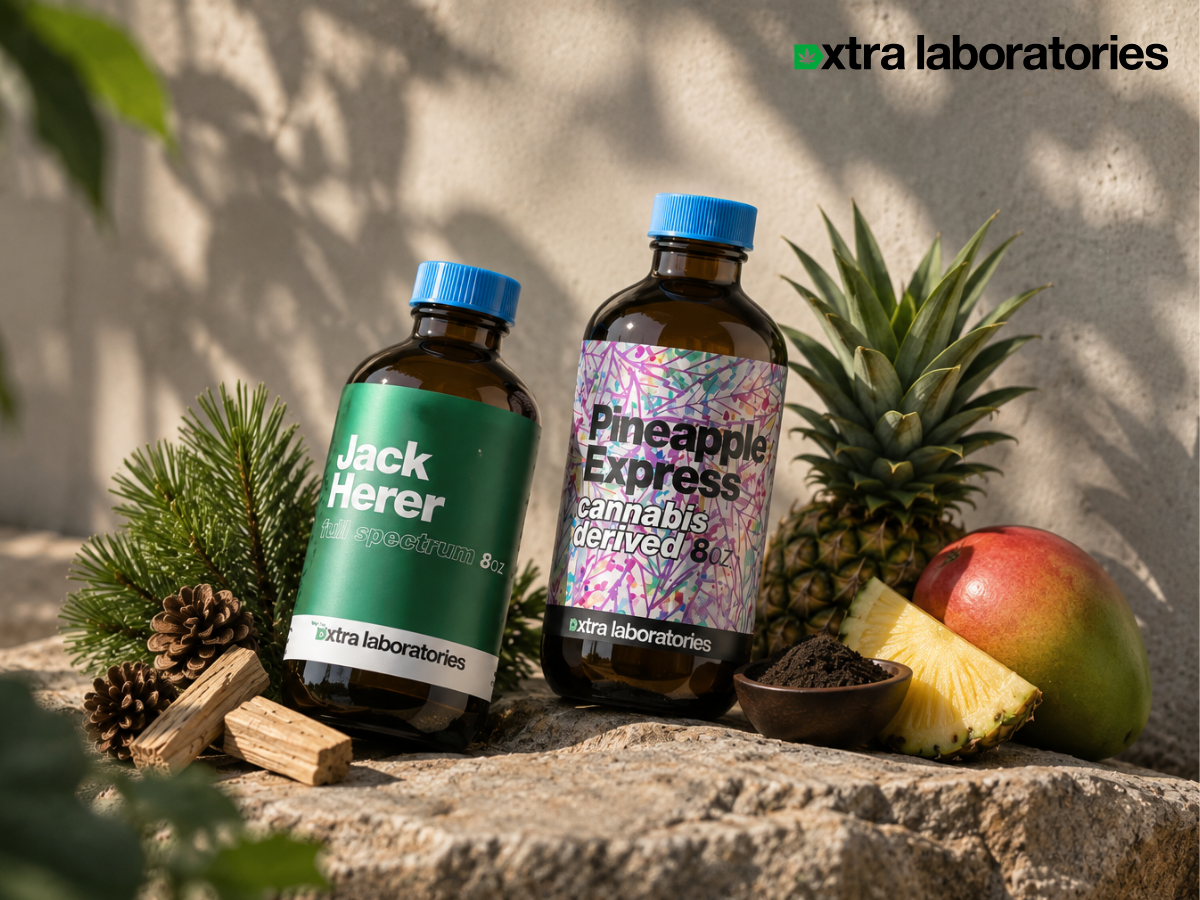
That makes it especially useful in blends designed for deeper rest rather than just basic relaxation. You’ll see nerolidol in strains like Skywalker OG and Jack Herer. For formulators, it works well as a supporting note in a three-terpene sleep blend.
4. Terpinolene: The Relaxation Terpene
Terpinolene is a complex terpene with a floral, piney, herbal aroma that can feel bright at low levels and more grounding at higher levels. That dose-dependent behavior matters a lot in formulation, because low concentrations can feel energizing while higher concentrations may support relaxation. It is often found in indica-leaning strains where it contributes to a broader full-body profile.
This terpene appears in Ghost Train Haze, Jack Herer. For sleep formulas, it should be used carefully and usually at higher ratios if the goal is nighttime relaxation. In the right blend, it can absolutely belong in a terpene profile for sleep.
5. Bisabolol: The Anti-Anxiety Terpene
Bisabolol is best known from chamomile, and its aroma leans floral, honeyed, and gently herbal. On its own, it is not one of the most sedating terpenes, but it plays an important support role by reducing the anxiety and restlessness that often delay sleep. That makes it especially useful when the issue is more mental agitation than physical tension.
It is found in strains like Pink Kush, Oracle, and Master Kush. In formulation, bisabolol acts like a rounding layer that smooths out the blend and makes the overall profile feel more complete. It is not the loudest terpene in the room, but it often improves the final result.
How Do Terpenes Make You Sleepy?
Terpenes can support sleep-friendly formulas in a few clear ways. First, some of them, especially myrcene and linalool, interact with GABA-A receptors, which are closely tied to calming and sedative effects. That is one reason they show up so often in nighttime products and sleep-focused strain profiles.
Second, the entourage effect matters because terpenes tend to work better in combination than alone. A blend built around myrcene, linalool, and nerolidol can feel more complete than a single-terpene formula. Third, myrcene is often discussed for its role in increasing permeability across the blood-brain barrier, which may help other compounds act more efficiently. For sleep formulations, that combination of mechanisms is what makes terpene design so important.
Which Cannabis Strains Have the Best Sleep Terpene Profiles?
Strain choice matters because the terpene profile shapes the final effect. In sleep-focused formulas, high-myrcene strains are usually the most consistently sedating, while blends with linalool and nerolidol add extra calm and depth. Here is a practical look at some of the most relevant profiles.
|
Strain |
Dominant Sleep Terpenes |
Effect Notes |
|
Granddaddy Purple |
Myrcene, Linalool, Caryophyllene |
Classic heavy sleep indica. |
|
Skywalker OG |
Myrcene, Nerolidol, Bisabolol |
Deeply sedating and fast-acting. |
|
Purple Punch |
Myrcene, Linalool, Pinene |
Nighttime favorite with a grape-forward aroma. |
|
Tahoe OG |
Myrcene, Terpinolene, Ocimene |
Very fast-acting sedation. |
|
Do-Si-Dos |
Linalool, Caryophyllene, Limonene |
Good for anxiety-led insomnia. |
|
Ice Cream Cake |
Caryophyllene, Linalool, Myrcene |
Sweet, relaxing, and euphoric. |
If you are building a product line around nighttime relief, these profiles are a strong starting point. You can explore strain-authentic options in the Cannabis Derived Terpenes Collection or compare broader relaxation-friendly profiles in the Full Spectrum Terpenes Collection.
Terpenes for Sleep vs Terpenes for Energy
For formulators, the difference comes down to whether the profile calms the nervous system or keeps it alert. Sleep blends usually lean into heavier, softer, more grounding terpenes, while energy blends favor brighter, sharper notes.
Sleep-promoting terpenes:
- Myrcene.
- Linalool.
- Nerolidol.
- Bisabolol.
- Terpinolene at higher dose.
- Humulene.
Energizing terpenes to avoid in sleep formulations:
- Limonene.
- Alpha-Pinene.
- Ocimene.
- Valencene.
- Terpinolene at low dose.
Beta-caryophyllene is often included in sleep blends even though it is not strongly sedating on its own. It adds anti-inflammatory and anti-anxiety support that can help the overall profile feel more restful. It also pairs especially well with myrcene and linalool.
How to Use Terpenes for Sleep in Your Formulation
If you are formulating for sleep, start with realistic dosing and test at a small scale before moving into bulk. For distillate, a standard terpene addition is usually 5–15% by weight, while vape cartridges often start around 5–8%, depending on viscosity and flavor intensity. For edibles and sublingual products, 1–3% is more typical because oral delivery has lower bioavailability.
A 2–3 terpene blend usually outperforms a single-terpene addition for sleep. A combination like myrcene + linalool + nerolidol is a common starting point because it layers depth, calm, and sedation. Ratios matter, so even strong ingredients can underperform if the blend is unbalanced.
Cannabis-derived terpenes are the best fit when you want strain-authentic sleep profiles. Botanical terpenes are a smart choice when you need scalable production or broader supply flexibility. If you are testing product concepts, a sample pack is often the easiest way to compare profiles before committing to larger runs.
Try Before You Commit: Sleep Terpene Profiles from Xtra Labs
- Full Spectrum Terpene Sample Pack (7 x 1ml)
- Cannabis Derived Terpenes Collection
- Botanical Terpenes Collection


Where to Buy the Best Terpenes for Sleep
For wholesale buyers, Xtra Laboratories stands out as a specialist supplier rather than a generic marketplace. The brand positions itself around ISO 9001 and GMP certification, third-party lab testing, and a catalog of 200+ profiles, with free samples available for licensed businesses. That makes it a practical source for formulators looking for consistent, sleep-focused terpene profiles at scale.
Wholesale buyers can reach the team at (480) 968-6569 and can also explore the Wholesale page or the All Terpenes collection. Domestic orders over $199 qualify for free shipping, which adds value for repeat production runs.
Frequently Asked Questions
The most commonly associated sleep terpenes are myrcene, linalool, nerolidol, and bisabolol, with terpinolene sometimes included when it is used at higher concentrations. Myrcene is the strongest starting point for a nighttime profile because it is widely linked to heavier relaxation and a more sedating feel.
Linalool is another key terpene because it adds a calm, soothing character that is especially useful when stress or mental overstimulation gets in the way of rest. Nerolidol and bisabolol round out the blend by adding depth and anxiety-supportive balance rather than blunt sedation. Together, these terpenes are often used in formulations designed to feel more restful and nighttime-friendly.
If you had to choose one terpene as the most reliable sleep-forward option, myrcene is usually the top pick. It has the strongest reputation for creating a heavy, relaxing profile and is often the terpene most closely tied to the classic “couch lock” effect.
That said, the best results usually come from combining myrcene with other calming terpenes instead of relying on it alone. Linalool is the most natural partner because it brings a calmer mental tone, while nerolidol can add deeper nighttime character. In practice, the single best terpene for sleep is myrcene, but the best sleep blend is usually a small group of terpenes working together.
Sleep-focused terpene profiles usually lean toward myrcene, linalool, nerolidol, bisabolol, and higher-dose terpinolene. These terpenes tend to support a calmer, softer, more grounding experience that fits nighttime formulations better than daytime ones. On the other hand, energizing profiles often include limonene, alpha-pinene, ocimene, and valencene, which are more commonly associated with brighter, sharper, more uplifting effects.
Terpinolene is the exception that proves the rule because it can appear on both lists depending on dose: lower amounts can feel more stimulating, while higher amounts are more likely to support relaxation. For formulators, the key is not just which terpenes are used, but how they are balanced.
Granddaddy Purple is commonly associated with a sleep-friendly profile built around myrcene, linalool, and caryophyllene. Myrcene gives the strain its heavy, sedating reputation, while linalool adds a more calming, floral layer that can help quiet the mind.
Caryophyllene is not strongly sedating on its own, but it is often included in nighttime blends because it adds a supportive, soothing quality that complements the more relaxing terpenes. This combination is why Granddaddy Purple is often referenced as a classic evening strain and a strong model for sleep-oriented terpene formulation.
The right dosage depends on the product type, but there are practical starting points. For distillate, terpene additions are often in the 5–15% range by weight, while vape cartridges usually start around 5–8% and are adjusted based on viscosity and flavor intensity. For edibles and sublingual products, 1–3% is more common because oral delivery has lower bioavailability and the flavor impact can become intense quickly.
The safest and most effective approach is to start small, test the blend at pilot scale, and then adjust the ratio based on performance, flavor, and end-product stability. That is especially important when building a sleep formula because a terpene profile can feel very different once it is blended into an actual product base.
Xtra Laboratories is positioned as a wholesale terpene supplier with a strong focus on premium, lab-tested profiles, including botanical and cannabis-derived options. The brand highlights ISO 9001 and GMP certification, third-party testing, 200+ profiles, and free samples for licensed businesses, which makes it a practical choice for formulators and brands developing sleep-focused products.


Share:
How to Use Terpenes: The Complete Guide for Cannabis Formulators (2026)
Best Terpenes for Vape Cartridges: The Complete CDT & Botanical Formulation Guide