
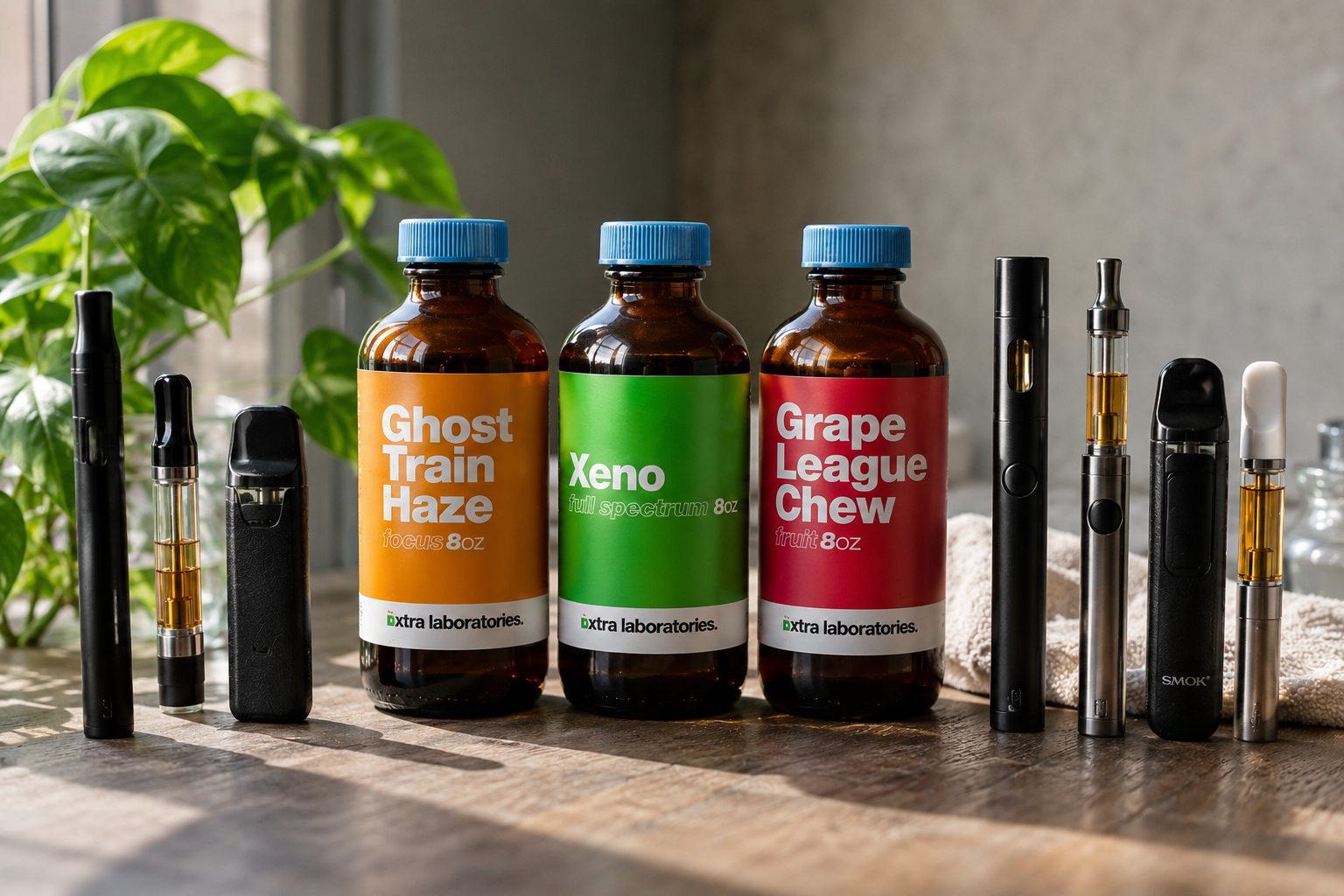

For hardware makers and extractors, the selection of the right terpenes to use in their vape pens involves balancing factors such as flavor, effects, and batch consistency. Formulators normally aim at achieving the perfect balance of terpenes that range between 5% and 10%, though cannabis-derived terpenes (CDTs) normally fall slightly lower (4%-6%) because of their complex and volatile properties. The choice between CDTs and botanical profiles brings into play a cost versus authenticity issue, with CDTs offering genuine plant-like experience but being more costly compared to botanical terpenes, which can scale well.
What Is a CDT Cartridge?
A CDT cartridge is simply a vape cartridge filled only with cannabis-derived terpenes that have been harvested right off the Cannabis sativa plant.
The difference between a CDT cartridge and a botanical terpene cartridge is that the former replicates the exact mono and sesquiterpene profile of the live strain while the latter uses chemical compounds harvested from other plants such as lavender and citrus to replicate the cultivar.
In the extraction world, “terp cart” has become the accepted terminology for products that focus on these aromatics. In order to make these high-profile profiles, it is necessary to first utilize live resin steam distillation techniques before processing the biomass for cannabinoids. From a regulatory standpoint, there is an important distinction to be made here in that CDTs come straight out of the cannabis plant and may contain trace amounts of cannabinoids, while botanical profiles do not.
What Makes a Terpene "Vape-Ready"
Not all terpene blends are manufactured to survive the harsh environment of a vape cartridge. High-quality formulations must meet five strict structural and behavioral criteria:
- Thermal Stability: The terpene profile must withstand localized coil temperatures without degrading into harsh, unwanted byproducts.
- Viscosity Behavior: The formulation must properly thin dense cannabinoid distillates to ensure smooth flow without making the oil overly fluid, which induces leakage.
- Hardware Compatibility: The chemical composition must not react with or degrade internal silicone seals, cotton wicks, or metal hardware components.
- Flavor/Aroma Accuracy: The complex volatile notes must maintain their sensory profile and fidelity after undergoing repeated heating cycles.
- Batch Consistency: The terpene manufacturer must deliver an identical chemical fingerprint across every single order to protect brand continuity.
The Best Terpenes for Vape Cartridges

Myrcene
Boiling Point: 168°C (334°F)
Role: Base note / Thermal anchor
Category: Indica / Deeply calming
Heavy structure slows wicking; needs high-porosity ceramic cores.
View Product →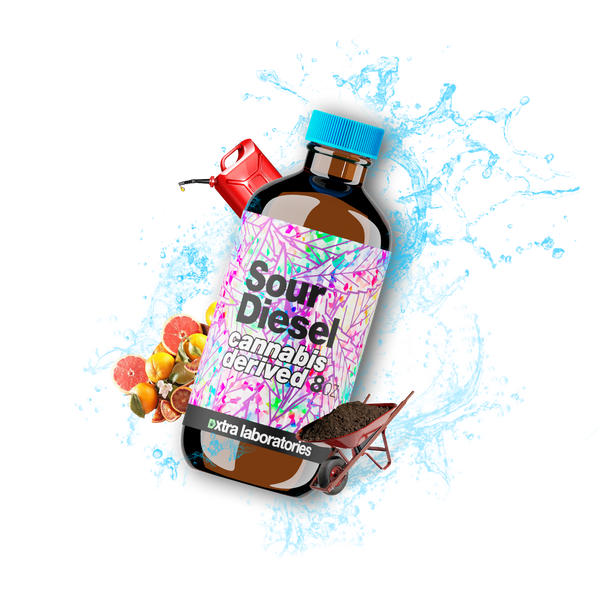
Limonene
Boiling Point: 176°C (349°F)
Role: Top note / Bright modifier
Category: Sativa / Daytime energizing
Can degrade silicone gaskets, causing leakage risk.
View Product →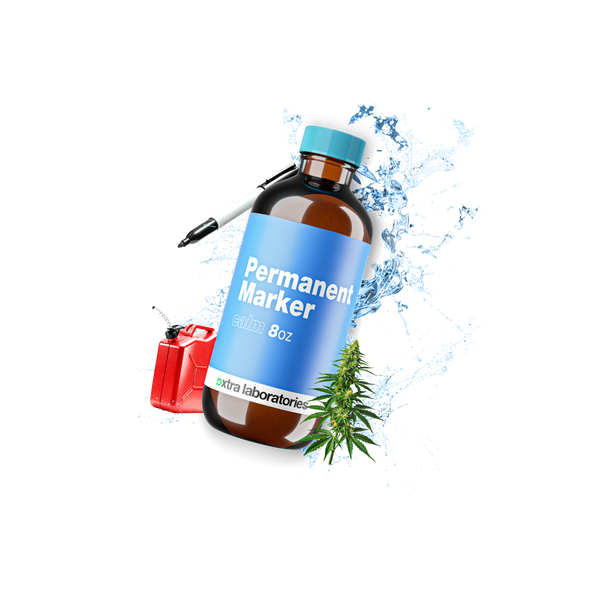
Beta-Caryophyllene
Boiling Point: ~263°C (505°F)
Role: Mid/Base / Stability anchor
Category: Hybrid / Spicy, earthy
High viscosity increases density; improper ratio may clog.
View Product →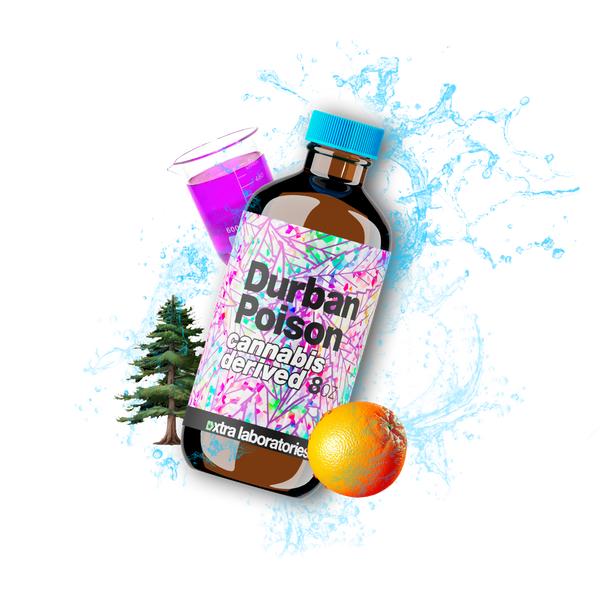
Terpinolene
Boiling Point: 185°C (365°F)
Role: Top note / Premium aromatic
Category: Sativa / Uplifting, complex
Highly volatile; overheating burns off top notes if voltage is too high.
View Product →
Alpha-Pinene
Boiling Point: 156°C (313°F)
Role: Top note / Sharp modifier
Category: Hybrid / Fresh, alert focus
Thins distillate; improper balance may flood wicking channels.
View Product →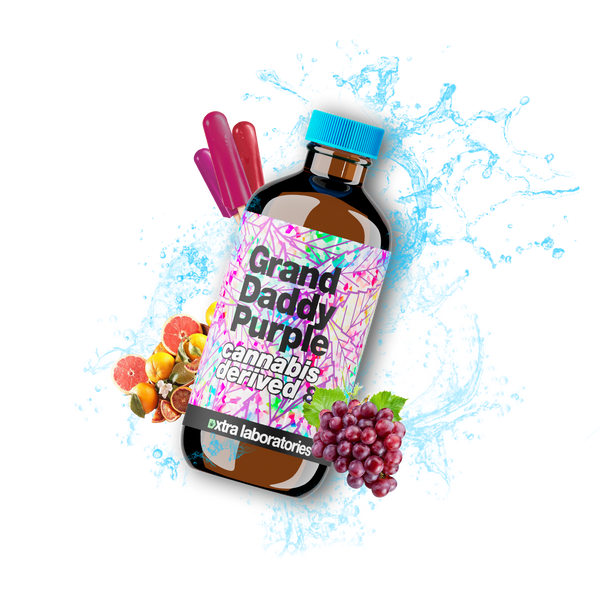
Linalool
Boiling Point: 198°C (388°F)
Role: Mid note / Aromatic bridge
Category: Indica / Sweet, floral, soothing
Requires consistent heat to vaporize fully without residue.
View Product →Terpene Profile Summary Chart
|
Terpene |
Boiling Point |
Role in Blend |
Primary Effect/Category |
Hardware Consideration |
|
Myrcene |
168 degrees Celsius |
Base Note |
Indica / Calming |
Requires high-porosity wicks |
|
Limonene |
176 degrees Celsius |
Top Note |
Sativa / Energizing |
Can degrade lower-grade seals |
|
Caryophyllene |
263 degrees Celsius |
Mid-Base Note |
Hybrid / Balanced |
Increases overall viscosity |
|
Terpinolene |
185 degrees Celsius |
Top Note |
Sativa / Uplifting |
Highly volatile; burns easily |
|
Pinene |
156 degrees Celsius |
Top Note |
Hybrid / Focused |
Thins oils rapidly |
|
Linalool |
198 degrees Celsius |
Mid Note |
Indica / Soothing |
Requires uniform heating |
Shop the Terpenes in This Guide


Browse More Collections
- Explore the Complete Cannabis Derived Terpenes (CDT) Collection
- Explore the Complete Botanical Derived Terpenes Collection
CDT vs. Botanical Terpenes, Which Should You Use?
The choice is simple: utilize CDTs for premium, connoisseur-grade brand positioning, and choose botanical terpenes for unbeatable cost efficiency and frictionless regulatory compliance.
|
Evaluation Metric |
Cannabis-Derived Terpenes (CDT) |
Botanical-Derived Terpenes |
|
Aroma Authenticity |
Skunky, gassy, complex, true-to-plant |
Clean, defined, fruit/floral forward |
|
Cost Profile |
Premium investment tier |
Economy to scale (70–85% cheaper) |
|
Regulatory Compliance |
May face state-by-state cannabis restrictions |
Globally compliant; zero cannabis tracking |
|
Shelf Stability |
Shorter window due to delicate volatiles |
Highly stable; long-lasting shelf life |
Many leading formulators utilize a combination strategy. Through leveraging the high-end CDT choice as a basic framework for the formula and combining it with high-quality botanical terpenes, one can create a complex taste profile, while reducing the cost of input materials significantly. Moreover, through using botanical blends, firms will be able to avoid the intricate shipping regulations specific to cannabis.
How Much Terpene to Add to a Vape Cartridge
Calculating how much terpenes you want to take will need precise calculations. Despite the fact that the industry’s normal range is 5% to 10%, the high-quality CDTs work perfectly in 4% to 6%.
Formulation Rule: Always calculate your terpene ratios by weight (grams), never by volume (milliliters), because temperature fluctuations alter density and distort your math.
To determine your ideal ratio, follow this systematic escalation process within your finished formulation:
[Start at 3.0% Terpenes] ──> [Evaluate Viscosity & Flavor] ──> [Increase by 0.5% Increments] ──> [Stop at Sweet Spot (Max 10%)
Oversaturating your blend will not produce a more efficient output. Going beyond a 10% concentration will ruin the formula, creating a hard hit on the throat, quick coughing spells by the consumer, and fast oil dilution that will result in extreme hardware failure. In order to perfect these tricky formulations, it is advisable to use an R&D Terpene Sample Pack.
Hardware & Why Carts Clog
A properly balanced terpene level will also not be effective when combined with inferior hardware. It is essential to use porous ceramic coil technology rather than the older metal or cotton wick technologies in the development of vaporizer carts. Proper ceramic coils can deal with high viscosity oils effectively.
Thick Distillate + Terpene Blend]
│
▼
┌───────────────────────────────┐
Ceramic Intake Holes │
└───────────────┬───────────────┘
│
┌─────────────┴─────────────┐
▼ ▼
[Correct Viscosity] [Over-Thinned / Over-Dosed]
Steady Wicking Floods Wicking Channels
Smooth Vapor Leaking & Spit-back
Cartridge failure usually traces back to two primary mechanical issues:
- Seal Degradation: Highly concentrated monoterpenes, such as Limonene, act as natural solvents. If left in contact with cheap silicone gaskets, they erode the gaskets, destroying the internal vacuum.
- Wicking and Flooding: If the oil's viscosity is too low, often caused by overdosing light terpenes like Pinene, the liquid floods the ceramic core faster than the coil can vaporize it, causing heavy leaking through the bottom airflow holes.
Pro Troubleshooting Tip: To minimize storage failures, instruct consumers to store cartridges vertically in a climate-controlled room (18 degrees Celsius to 22 degrees Celsius). Cold storage thickens the oil and impedes proper wicking, while excess heat thins the liquid prematurely, causing the reservoir to flood the coil before it is ever activated.
Is It Safe? What the Research Says
An important point in making vape cartridges is that GRAS certification does not equate to safe inhalation. In this regard, FEMA makes it clear that generally recognized as safe means that it applies to consumption through oral intake alone, and not vaporizing.
Terpenes will degrade due to high temperatures beyond their stability limits. Here are some scientific literature on the subject matter:
- A landmark study by Troutt and DiMarzo (2014) demonstrated that vaporizing concentrated terpenes at uncontrolled temperatures can generate trace levels of degradation byproducts like methacrolein and benzene.
- Research published in Scientific Reports (2017) confirmed that while normal vaping temperatures (160 degrees Celsius to 200 degrees Celsius) keep these byproducts minimal, overheating volatile compounds accelerates chemical breakdown.
In order to reduce this risk, the formulator needs to choose high-quality and stable profiles and have their products tested for emissions. Choosing the ingredients from the supplier who offers independent batch analysis will help you stay away from unpleasant surprises.
How to Evaluate a Terpene Supplier for Cartridges
The integrity of a safe and legitimate supply chain begins with the ingredients you purchase before you mix anything at all. Here are the essential things to consider when evaluating terpene suppliers:
- Batch-Specific COAs: Never accept generic, non-dated analytical sheets. Demand a Certificate of Analysis for every specific batch number.
- Residual Solvent Testing: Ensure the profile is verified clear of harmful extraction chemicals like hexane, butane, or ethanol.
- Heavy Metals Clearance: Confirm the product tests clean for lead, cadmium, arsenic, and mercury.
- Microbial Screening: Check that the raw materials are free from yeasts, molds, and harmful bacteria.
Ultimately, look for manufacturers that boast an established track record in inhalation-specific production rather than simple food flavoring. Partnering with a supplier operating under strict ISO 9001 and current Good Manufacturing Practices (cGMP) gives you the confidence that your inputs are pure, legal, and built to perform consistently in every single cartridge.
Share:
Which Terpenes Help With Sleep? Top Sleep Terpenes for 2026
What Is High Terpene Extract (HTE)? Complete Guide