


Terpenes are used to add flavor, aroma, and targeted effects to cannabis products (vape cartridges, distillate, edibles, flower) and non-cannabis goods (beverages, cosmetics, aromatherapy). Beyond scent, specific terpenes are chosen for their reported effects — myrcene and linalool for sleep, limonene for energy and mood, caryophyllene for pain and inflammation, and pinene for focus — making terpene selection a core part of formulating a product's experience, not just its taste.
If you've searched "what are terpenes used for," you're probably formulating a product — a vape line, an edible batch, a distillate blend — and you need more than a chemistry lesson. Below, we break down every major terpene application, which terpenes to use for which outcome, and how to choose between botanical and cannabis-derived terpenes (CDT) for your specific product.
What Are Terpenes, Exactly?
Terpenes are the aromatic hydrocarbons produced by cannabis, hops, citrus, pine, lavender, and most other plants. They're the reason a lemon smells bright and citrusy while pine needles smell sharp and earthy. Cannabis alone can express over 150 different terpenes, and the specific ratio of terpenes in a strain — its terpene profile — is what gives that strain its unique smell, taste, and feel.
Terpenes aren't decorative. In the plant, they attract pollinators and repel pests. In a finished product, they do three jobs at once:
- Aroma — the smell a consumer notices before they even taste the product
- Flavor — how the product tastes on the inhale, in the mouth, or in the throat
- Effect — how the product actually makes the consumer feel, working alongside cannabinoids like THC and CBD
That third point is why terpenes have become a formulation tool rather than an afterthought — and it's the part most guides skip over.
Why Terpenes Matter Beyond Smell: The Entourage Effect
Two cannabis products can contain the exact same THC percentage and still feel completely different. That's the entourage effect — the theory that terpenes and cannabinoids work together, modulating and enhancing each other's effects. A vape cartridge heavy in myrcene tends to feel more sedating than one built around limonene, even at identical THC levels.
This is the single biggest reason brands add terpenes back into products: distillate, isolate, and many extraction methods strip terpenes out, which means the finished product loses its flavor, its aroma, and a meaningful part of its effect profile — unless terpenes are reintroduced deliberately.
What Are Terpenes Used For? Core Applications
1. Terpenes for Vape Cartridges
This is the single largest use case in the cannabis industry. Vape consumers buy on flavor and effect first, brand second. Because distillate and live resin carts are refined products, terpenes for vape cartridges are what actually deliver the strain experience consumers expect — the citrus hit of a Sour Diesel cart, the creamy sweetness of a Gelato cart, or the gas-forward profile of a GMO cart.
Formulators typically blend terpenes at 3–5% by weight into distillate or live resin base, adjusting up or down depending on desired flavor intensity and viscosity. Want a full walkthrough of ratios? Our terpene calculator does the math for you.
2. Terpenes for Distillate & Concentrates
Distillation strips a concentrate down to nearly pure cannabinoids — which also strips out flavor, aroma, and much of the entourage effect. Adding terpenes back gives processors full control over the final product: a relaxing profile for a sleep-focused product line, an uplifting citrus profile for a daytime line, or an exact strain replica for a signature SKU. This applies to dabs, rosin, RSO, tinctures, and capsules as much as it does vape oil.
3. Terpenes for Edibles
Cannabinoids get consumers "there," but terpenes decide the destination. Two gummies with identical THC dosing can feel completely different depending on their terpene blend — one calming and sedating, another social and energizing. Using terpenes in edibles also masks the bitter, grassy taste of raw cannabis extract, which is a major reason edible brands blend terpenes even in products where "effect" isn't the primary sell.
4. Terpenes for Flower & Pre-Rolls
Processors and cultivators use terpene sprays to boost aroma and flavor on flower that's lost terpene content during drying, curing, trimming, or storage, and to make pre-rolls smell and taste more consistent batch to batch. This is a lighter-touch application — usually a fine mist applied post-cure rather than a heavy infusion.
5. Terpenes for Beverages & Food
Outside cannabis, terpenes are a zero-calorie, zero-sugar way to build flavor and functional character into beverages — think terpene-infused seltzers, THC drinks, mocktails, sports drinks, even ice cream and barbecue sauce. Beverage brands increasingly lean on terpenes the way craft brewers lean on hops: to layer in citrus, pine, or tropical notes without added sugar.
6. Terpenes for Personal Care & Topicals
Certain terpenes do more than smell good on skin. D-limonene can improve absorption of other actives and offers some UV-related skin protection; beta-caryophyllene is studied for analgesic properties, making it a common choice in massage oils and pain-relief topicals; linalool's calming aroma shows up constantly in lotions and bath products. This makes terpenes useful in shampoos, lotions, balms, sunscreens, and topical pain products — not just cannabis goods.
7. Terpenes for Aromatherapy
Terpene-infused candles, diffuser oils, and room sprays are a fast-growing category. Because individual terpenes like linalool (lavender-like, calming) and limonene (citrus, uplifting) have well-documented aromatic effects on mood, they translate directly into standalone aromatherapy products with no cannabinoids involved at all.
What Terpenes Are Used For, By Desired Effect
This is where most terpene guides stop short — but if you're formulating for a specific outcome, the individual terpene matters more than the product category. Here's how the major cannabis terpenes line up against the effects consumers actually search for:
|
Desired Effect |
Primary Terpenes |
Commonly Found In |
|
Terpenes for sleep |
Myrcene, Linalool, Terpinolene |
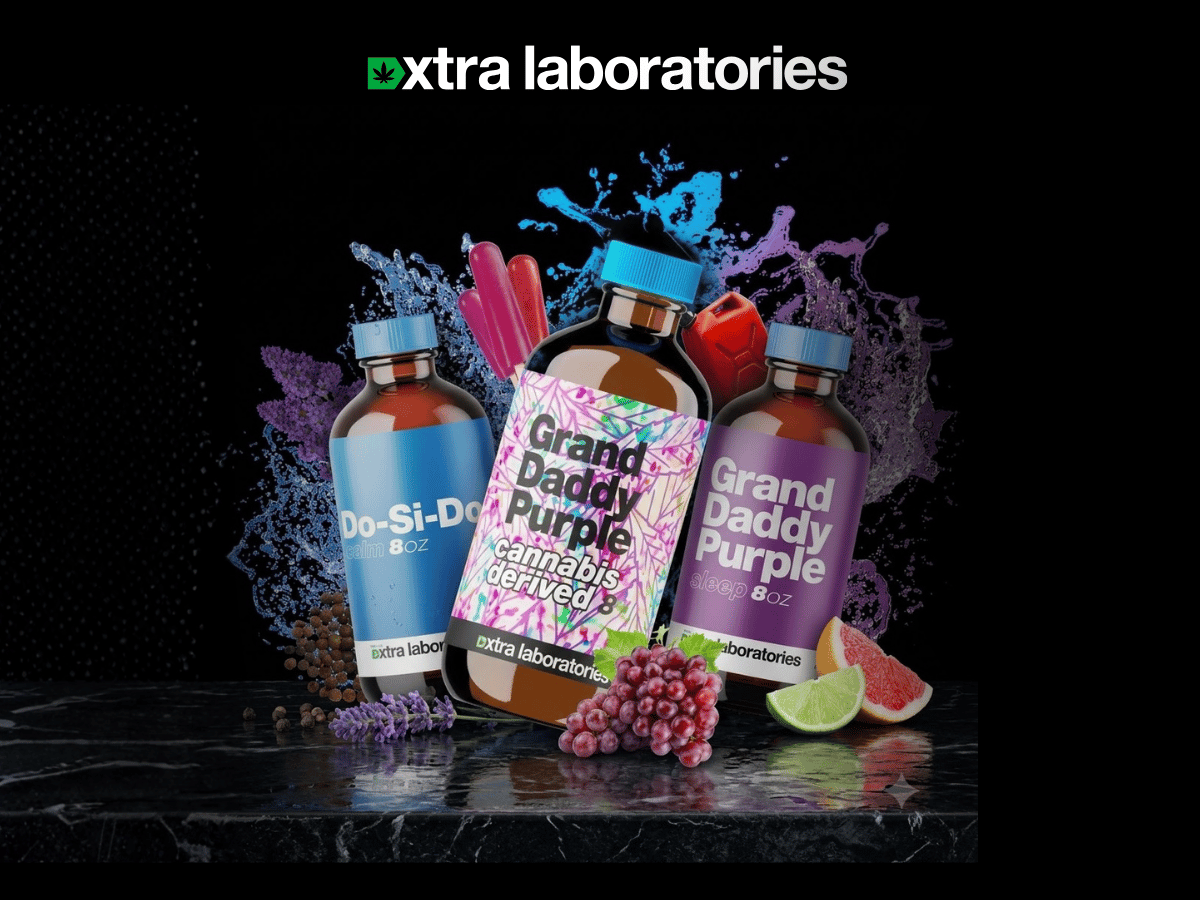
Granddaddy Purple, GDP, Blue Dream |
|
Terpenes for pain / inflammation |
Beta-Caryophyllene, Humulene, Myrcene |
GG4, Sour Diesel, Bubba Kush |
|
Terpenes for anxiety / relaxation |
Linalool, Limonene, Beta-Caryophyllene |
Lavender strains, OG Kush |
|
Terpenes for energy / focus |
Limonene, Pinene, Terpinolene |
Jack Herer, Super Lemon Haze |
|
Terpenes for euphoria / mood |
Limonene, Ocimene |
Tangie, Super Boof |
|
Terpenes for nausea / appetite |
Beta-Caryophyllene, Humulene |
GG4, Girl Scout Cookies |
|
Terpenes for arousal |
, Limonene |
Specialty fusion blends |
A few notes on using this table:
- These are reported, consumer-driven associations, not medical claims. Formulate with them, but don't market them as treatment.
- Ratios matter more than any single terpene. A strain's full profile — not one isolate — drives the actual experience.
- Blends outperform single isolates for most finished products, which is why most commercial terpene profiles (ours included) are pre-built multi-terpene blends rather than single compounds.
Botanical Terpenes vs. Cannabis-Derived Terpenes (CDT): Which Should You Use?
Once you know what terpenes you want, you have to decide where they come from — and this decision affects cost, compliance, and how "authentic" the final product feels.
- Botanical terpenes are extracted from non-cannabis plants (citrus, pine, lavender, etc.) and formulated to replicate a cannabis strain's profile. They're more cost-effective, easier to source at scale, and compliant in states with tighter cannabis-derived-ingredient rules.
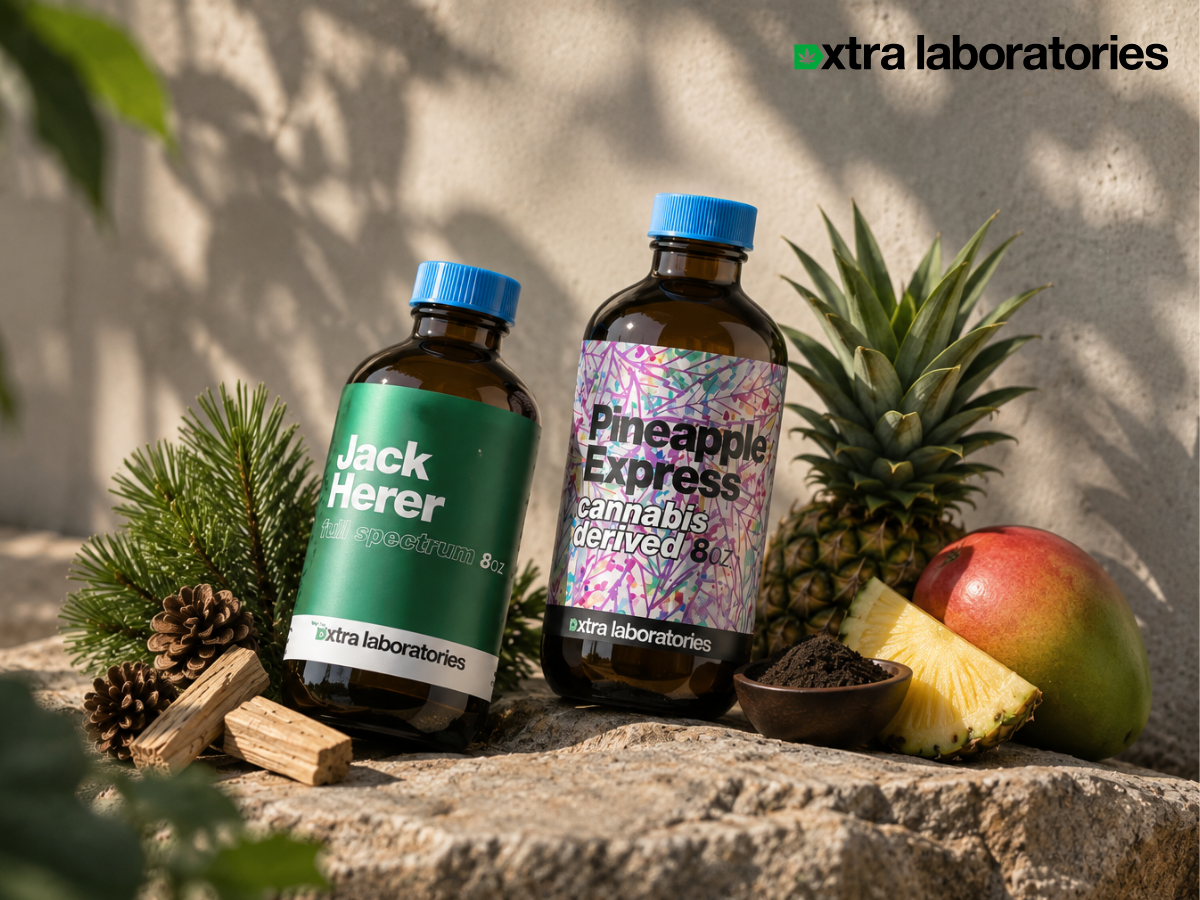
- Cannabis-derived terpenes (CDT) are extracted directly from cannabis plant matter. They offer the most authentic "true-to-plant" terpene spectrum, including trace compounds botanical blends can't replicate, and they command a premium position with consumers who care about full-spectrum authenticity.
Neither is objectively "better" — it depends on your price point, your compliance environment, and how you're positioning the product. Browse our botanical terpene profiles or cannabis-derived terpenes to compare specific strain matches side by side.
How Much Terpene Should You Use?
There's no universal number, but the industry-standard starting point is 3–5% by weight relative to your base material (distillate, isolate, gummy mix, etc.). From there:
- Start at 2–3% and taste-test before scaling up
- Push toward 5%+ only for heavier, gas-forward, or diesel-leaning profiles
- Always test in small batches before committing to a full production run
- Order a sample pack to test multiple profiles in your actual formulation before buying bulk
How to Choose the Right Terpenes for Your Product
- Define the outcome first. Are you building a relaxing nighttime SKU or an energizing daytime line? Pick terpenes from the effect table above before you pick a "flavor."
- Match your format. Vape carts and distillate can handle higher terpene percentages than water-based beverages, which need water-soluble or nano-emulsified terpene formats.
- Decide botanical vs. CDT based on your budget, your state's compliance rules, and how your brand positions authenticity.
- Test before you scale. A 1ml sample and a small test batch will save you far more money than a bulk order that misses the mark.
- Check your paperwork. Confirm COAs, ISO/GMP certification, and Prop 65 compliance before you commit to a supplier — especially for anything going into a consumable product.
Frequently Asked Questions
In cannabis, terpenes are used to build flavor and aroma into vapes, distillate, flower, and edibles, and to shape the finished product's effect profile alongside THC and CBD through the entourage effect.
Terpenes are generally recognized as safe (GRAS) food-grade compounds found naturally throughout the plant world, and are used in everything from food flavoring to cosmetics. As with any concentrated ingredient, quality and dosage matter — always use lab-tested, COA-backed terpenes.
No. Terpenes are not psychoactive on their own. They influence how a product smells, tastes, and how the cannabinoids in that product feel, but they don't produce a high by themselves.
Most formulators start around 3–5% by weight and adjust based on desired flavor intensity and viscosity. Use a terpene calculator to dial in exact ratios for your batch size.
Botanical terpenes are extracted from non-cannabis plants and built to match a strain profile; CDT is extracted directly from cannabis for the most authentic, full-spectrum result. Botanical is typically more cost-effective and easier to source compliantly at scale.
Yes. Terpenes are widely used in beverages, food, candles, skincare, and personal care products for flavor, aroma, and — in some cases — functional benefits like absorption enhancement or antibacterial properties.
Ready to Formulate With Terpenes?
Whether you're building a vape line, dialing in distillate, or launching an edibles SKU, the right terpene profile is what separates a product consumers try once from one they reorder. Explore 200+ lab-tested botanical and CDT profiles, grab a sample pack to test before you commit, or talk to our wholesale team about custom formulations built for your brand.
Share:
What Is CDT Weed? Cannabis-Derived Terpenes Explained
Linalool Terpene Effects: The Calming, Lavender-Scented Terpene Guide