
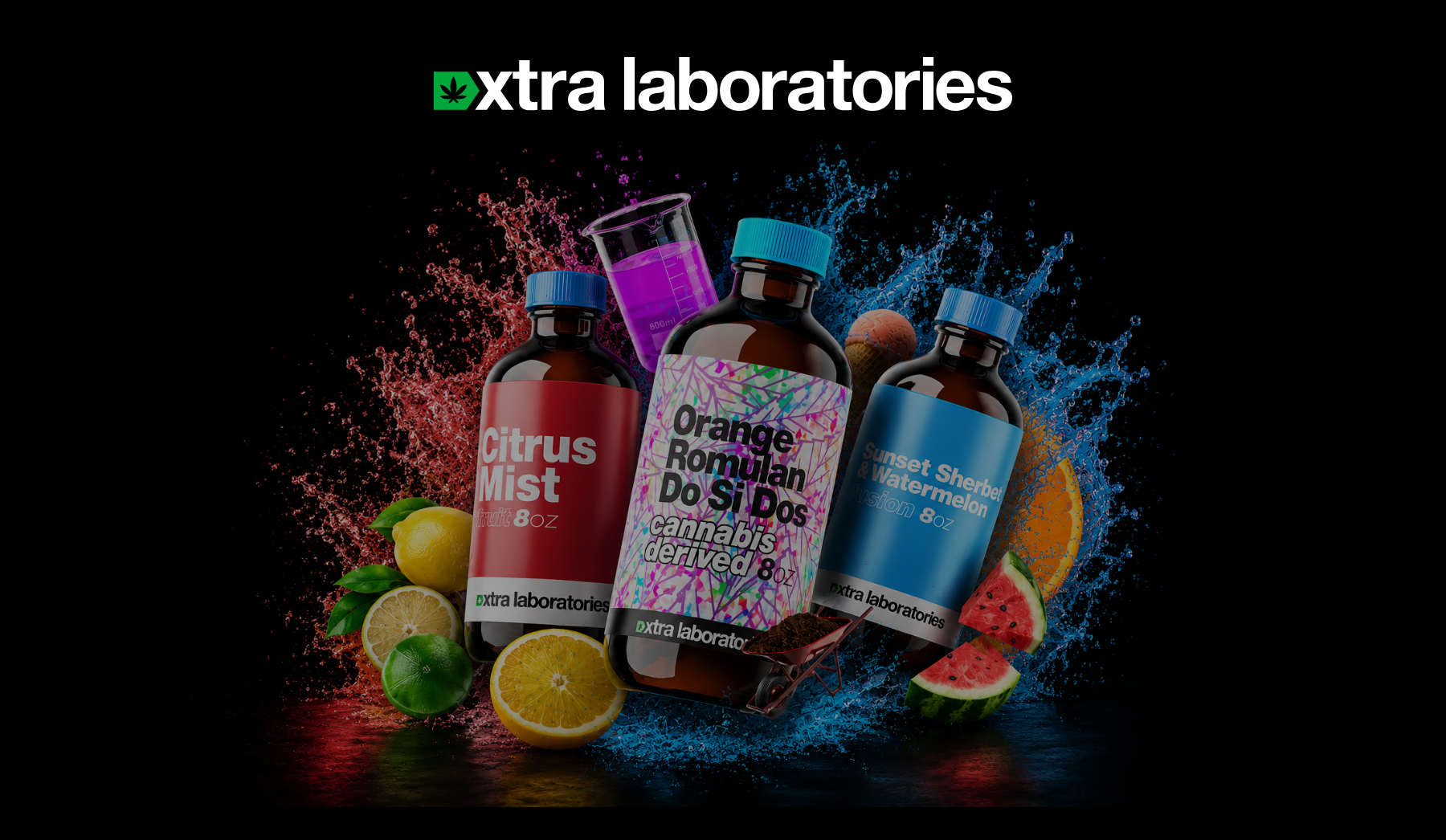

Terpenes are the aromatic molecules that give cannabis its scent and flavor, and they do much more than perfume a bud. These volatile compounds are found across the plant world (from citrus peels to lavender buds), and in cannabis, they combine with cannabinoids to shape how a product smells, tastes, and feels. Terpene profiles influence whether a strain reads as bright and citrusy or dense and earthy, and they play a key role in product consistency, consumer recognition, and overall sensory experience.
At Xtra Laboratories, we formulate terpene systems that reproduce authentic strain-inspired aromas and tailored flavor journeys. With over 200 terpene profiles, including both cannabis-derived terpenes (CDTs) and botanical terpene systems, we blend ISO-certified, GMP-compliant processes with custom formulation expertise to help brands deliver reliable, repeatable experiences across flower, concentrates, vapes, edibles, and infused products. While terpenes aren’t a medical treatment, their interplay with cannabinoids (often described as the “entourage effect”) helps define the character of an experience. Whether you need full‑spectrum authenticity or a scalable botanical match, our terpene solutions are designed to capture the nuance of real cannabis profiles.
What Are Cannabis Terpenes?
- Terpenes are aromatic compounds produced naturally by cannabis and many other plants.
- They are responsible for scent and flavor, from citrus zest to pine resin and floral notes.
- In cannabis formulation, terpenes work alongside cannabinoids to shape strain profiles and the perceived character of a product.
- Terpenes appear in flower, concentrates, vape formulations, and infused goods, and are commonly blended into terpene systems to achieve consistent flavor and aroma.
- Typical industry terms: aromatic compounds, strain profiles, terpene blends, flavor systems, and cannabis formulation.
Why Terpenes Matter in Cannabis Formulation
- Terpene composition matters beyond THC percentage. Two products with the same cannabinoid levels can feel and smell entirely different depending on terpene makeup.
- Aroma recognition drives consumer preference. Familiar terpene signatures help users find and trust products that match their taste and experience expectations.
- Consistency in flavor systems is crucial for brands. Formulated terpene profiles let manufacturers recreate the same strain-like aroma across batches and product formats.
- Terpene balance affects sensory experience. Bright terpene mixes read as energetic and uplifting; heavy, earthy blends feel dense and grounding.
- Xtra Laboratories expertise: We engineer full‑spectrum terpene profiles, offer cannabis-derived terpenes (CDTs) for true-to-source authenticity, supply botanical terpene systems for scalable production, and provide custom formulation services to match or invent signature profiles.
The Most Common Cannabis Terpenes and Their Effects

Each terpene carries an aromatic identity and contributes to a strain’s sensory signature. Below are six of the most commonly encountered terpenes in cannabis, where they come from, and the sensory roles they typically play.


Myrcene
- Aroma profile: Earthy, herbal, musky, with clove-like undertones.
- Common plant sources: Mango, hops, thyme, and lemongrass.
- Associated experience: Deep relaxation and a heavy-body feel; often associated with evening-style, indica-leaning profiles.
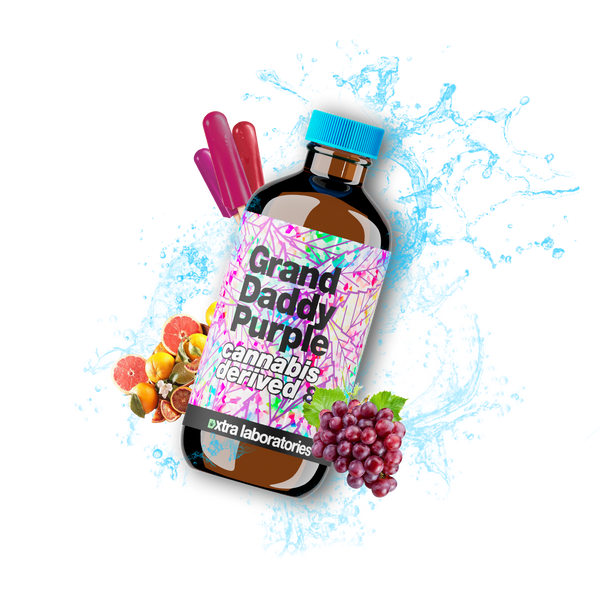
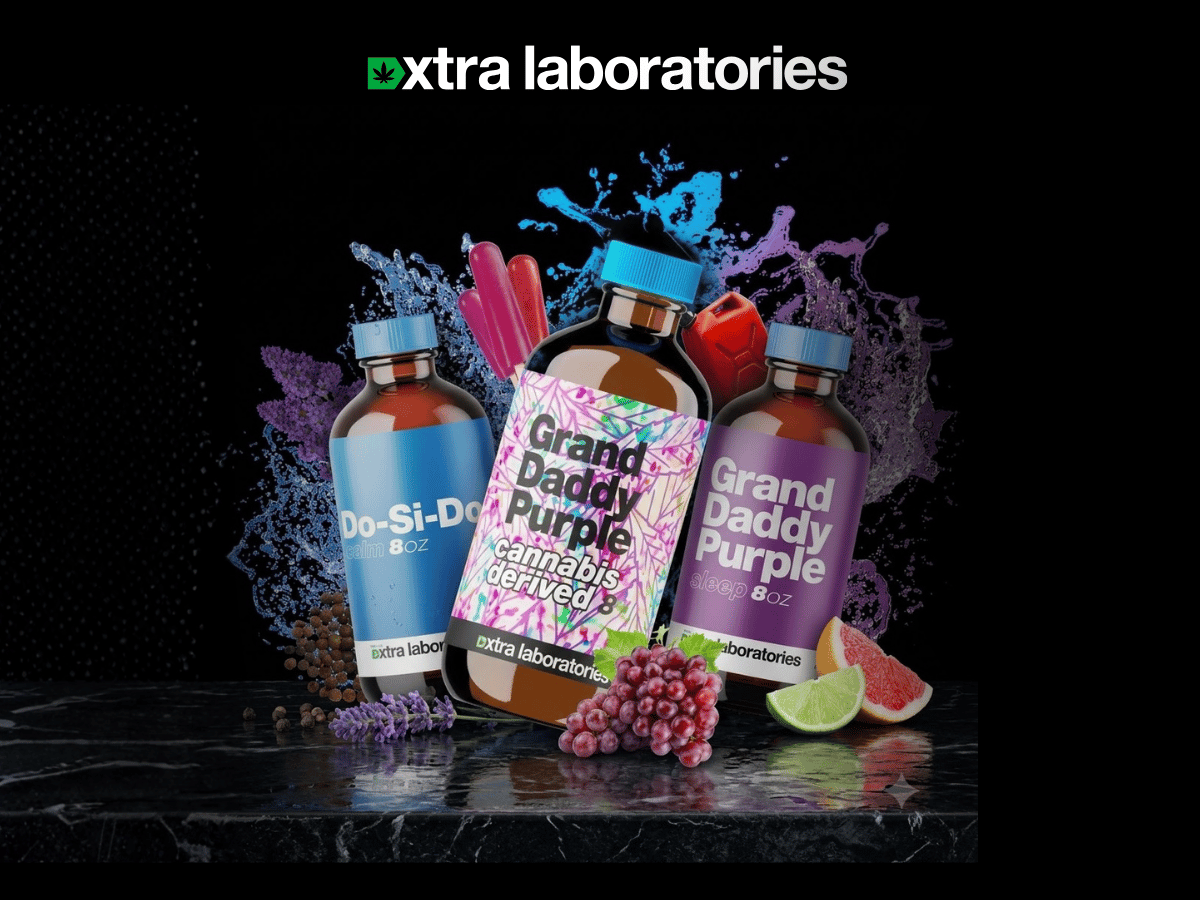
- Common strains: Granddaddy Purple, Blue Dream, and OG Kush.
- Notes: Myrcene is frequently the dominant terpene in many cannabis chemotypes, and myrcene-rich profiles often read as calming and sedating compared with citrus- or pinene-forward varieties.
Limonene
- Aroma profile: Bright citrus lemon peel, orange zest, sweet and zesty.
- Common plant sources: Citrus fruits, juniper, and rosemary.
- Associated experience: Uplifting, mood-forward, daytime-friendly; supports energetic or creative atmospheres.
- Common strains: Super Lemon Haze, Wedding Cake, Do-Si-Dos.
- Notes: Limonene is popular in fruit-forward terpene blends and is commonly used when brands want a fresh, citrus-led flavor or aroma.
Caryophyllene
- Unique character: Functions as both a terpene and a compound that interacts with cannabinoid pathways.
- Aroma profile: Peppery, woody, spicy, warm herbal notes.
- Common plant sources: Black pepper, clove, cinnamon.
- Associated experience: Grounding sensations and body-focused balance; often present in bold, gassy flavor systems.
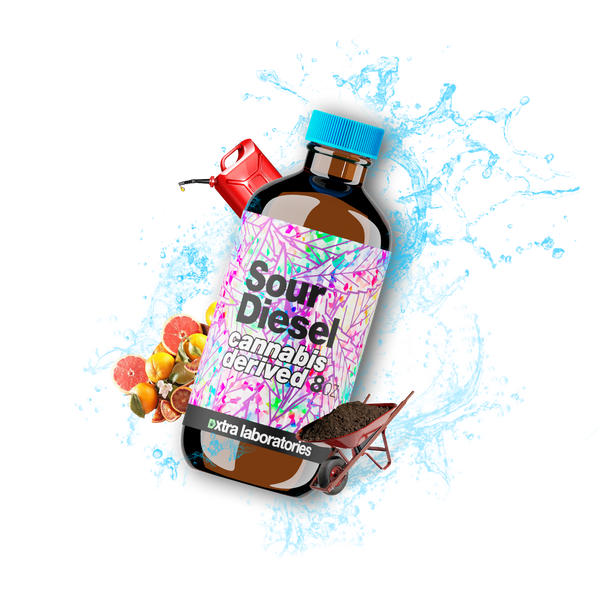
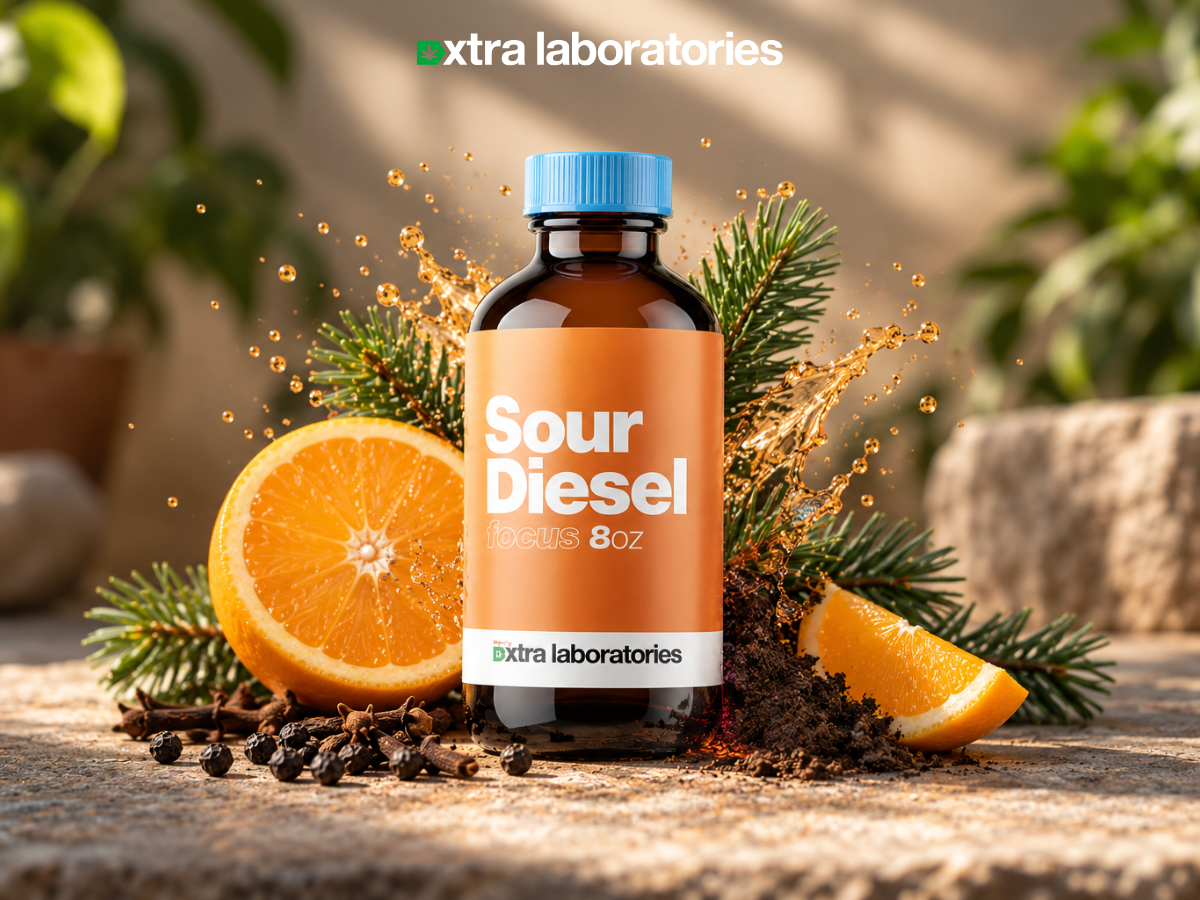
- Common strains: Girl Scout Cookies, Bubba Kush, Sour Diesel.
- Notes: Caryophyllene’s spicy, resinous profile gives depth and a “bite” to many modern cannabis blends.
Pinene
- Aroma profile: Fresh pine, forest air, herbal and resinous; rosemary-like.
- Common plant sources: Pine needles, basil, dill, rosemary.
- Associated experience: Alert, clear-headed, crisp; contributes a refreshing outdoor quality.
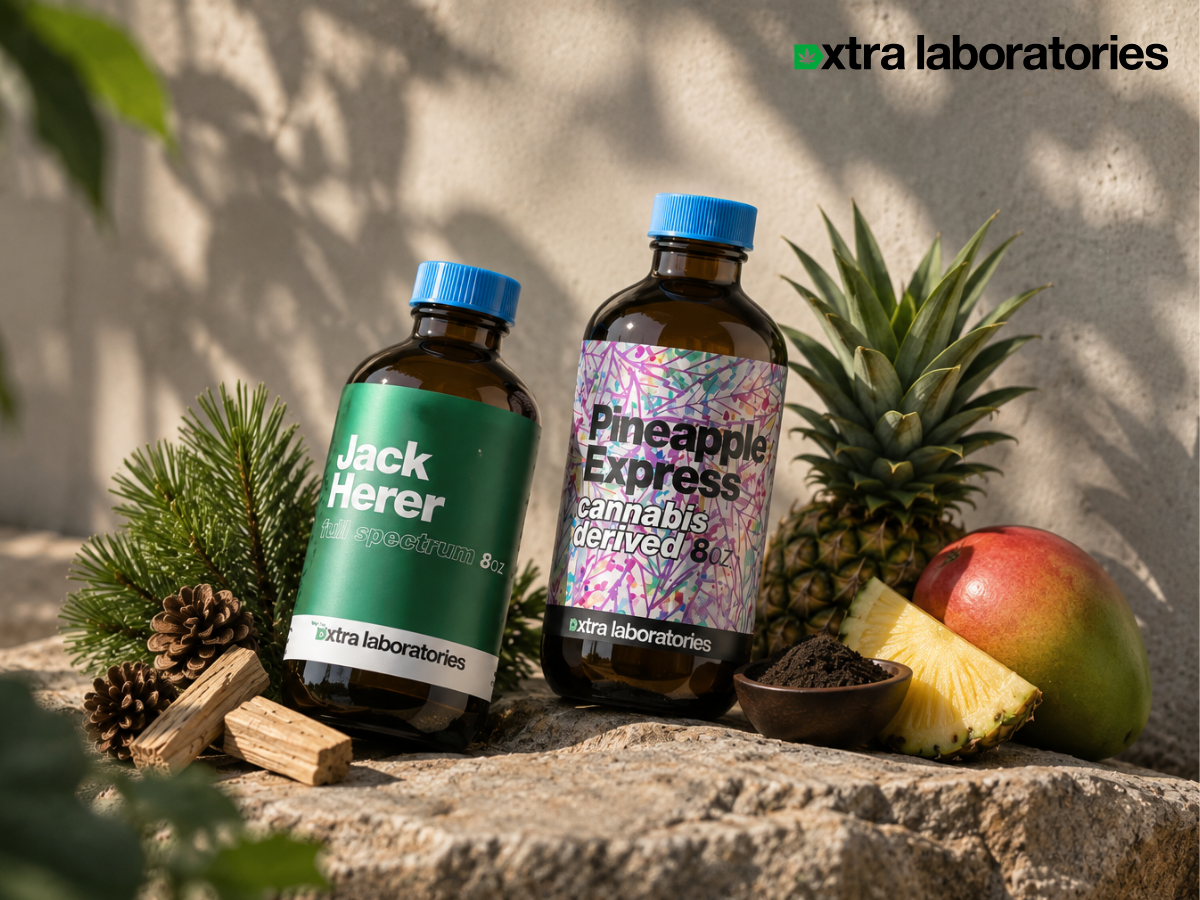
- Common strains: Jack Herer, Dutch Treat, Blue Dream.
- Notes: Pinene brightens terpene blends and pairs well with citrus or herbal notes for clean, uplifting profiles.
Linalool
- Aroma profile: Floral and lavender-like with subtle spice and sweet botanical notes.
- Common plant sources: Lavender, coriander, rosewood.
- Associated experience: Calm, balanced, and soothing; commonly associated with evening-oriented or relaxation-focused profiles.
- Common strains: LA Confidential, Amnesia Haze, Lavender Kush.
- Notes: Linalool’s floral softness helps smooth harsh edges in blends and anchors floral-forward terpene systems.
Humulene
- Aroma profile: Earthy, woody, hoppy, with herbal spice notes.
- Common plant sources: Hops, sage, ginseng.
- Associated experience: Grounded, crisp herbal finish; often paired with traditional earthy terpene systems.
- Common strains: Headband, White Widow, Skywalker OG.
- Notes: Humulene adds structure and an herbal backbone, rounding out both classic and modern strain profiles.
Cannabis Terpene Effects Chart
- Myrcene: Aroma Earthy & musky; Sources Mango, hops; Typical experience Relaxing & heavy.
- Limonene: Aroma Citrus & bright; Sources Lemon, orange; Typical experience Uplifting & energetic.
- Caryophyllene: Aroma Peppery & spicy; Sources Black pepper; Typical experience Grounded & balanced.
- Pinene: Aroma Pine & herbal; Sources Pine needles; Typical experience Fresh & alert.
- Linalool: Aroma Floral & soft; Sources Lavender; Typical experience Calm & soothing.
- Humulene: Aroma Woody & earthy; Sources Hops, sage; Typical experience Herbal & earthy.
Cannabis‑Derived Terpenes vs Botanical Terpenes
Cannabis-Derived Terpenes (CDTs)
- Extracted directly from cannabis biomass.
- Provide the closest match to original strain aroma and nuance.
-
Often preferred for premium, full‑spectrum authenticity and boutique offerings.

Botanical Terpenes
- Sourced from other plants (citrus, pine, lavender, herbs) and blended to recreate cannabis profiles.
- Offer consistent quality, scalability, and cost efficiency for commercial production.
- Widely used when exact CDT sourcing is limited or when a stable supply is critical.
Xtra Laboratories supplies both CDT and botanical terpene systems, allowing brands to choose between full‑authenticity profiles and high‑consistency, scalable formulations depending on their product goals.
How Terpenes Influence Flavor and Experience
- Layering matters: Terpene profiles are rarely single-note. Combinations such as citrus + pine, gassy + earthy, or fruit-forward + floral create distinct profiles that determine a product’s sensory identity.
- Profile families: Common flavor families include citrus, earthy, floral, sweet, gassy, and tropical. Each family usually includes several terpenes working together to form a recognizable signature.
- No two strains are identical: Minor differences in terpene ratios produce noticeable changes in aroma and perceived effect, even among strains with similar cannabinoid content.
- Full‑spectrum formulation: Using full-spectrum terpene systems helps brands reproduce complex, realistic flavor profiles in flower, vapes, edibles, and other formats.
-
Commercial consistency: Formulated terpene blends ensure consistent sensory experiences across batches and different product types.
How to Choose the Right Terpene Profile
-
Based on flavor preference:
- Citrus: Limonene-led blends for bright, zesty flavor.
- Earthy: Myrcene and humulene combos for traditional, grounding notes.
- Floral: Linalool-forward systems for smooth, soothing aroma.
- Sweet: Fruit-forward mixes with terpenes like myrcene and certain esters.
- Gassy: Caryophyllene-rich formulations for bold, pungent profiles.
-
Based on product type:
- Vape formulations: Require volatility and flavor clarity; often benefit from refined terpene blends.
- Concentrates: May call for richer, more robust profiles to stand up to potency.
- Gummies/edibles: Terpene volatility and flavor masking matter; combine terpenes with food-safe flavor systems.
- Infused products: Consider interactions with carrier oils, solvent residues, and thermal stability.
-
Based on experience style:
- Daytime-inspired: Pinene + limonene combinations for alertness and energy.
- Evening-inspired: Myrcene + linalool mixes for calm and smoothness.
- Balanced/hybrid: Equalized terpene ratios for moderated sensory character.
Why Cannabis Brands Choose Xtra Laboratories
- 200+ terpene profiles available to match classic and novel strain signatures.
- Full‑spectrum formulations and single-terpene components for flexible blending.
- Both cannabis-derived terpenes (CDTs) and botanical terpene systems to suit authenticity and scalability.
- Third-party tested quality with ISO-certified and GMP-compliant production standards.
- Custom formulation support to create proprietary profiles or match target strain chromatograms.
- Scalable manufacturing designed for reliable batch-to-batch consistency.
- Trusted by brands across North America for formulation expertise and regulatory-aligned production.
Final Thoughts on Cannabis Terpenes
Terpenes are the sensory architects of cannabis: they shape aroma, flavor, and much of what consumers perceive in an experience. The six terpenes outlined here myrcene, limonene, caryophyllene, pinene, linalool, and humulene represent core building blocks across many strain profiles, but it’s the combination and ratio of terpenes that create unique product signatures. Whether you need cannabis-derived authenticity or botanical systems for scalable production, Xtra Laboratories provides the terpene innovation and formulation rigor to help brands deliver consistent, strain-inspired experiences. Explore our terpene collections or contact our formulation team to design a profile that fits your product vision.
Frequently Asked Questions About Cannabis Terpenes
What are the most common terpenes found in cannabis?
The most commonly encountered terpenes include myrcene, limonene, caryophyllene, pinene, linalool, and humulene. These six frequently appear across many strain families and form the foundation of most cannabis aroma and flavor profiles.
Do terpenes affect cannabis flavor?
Yes. Terpenes are the primary drivers of cannabis flavor and aroma. They determine whether a product smells citrusy, earthy, floral, or spicy and strongly influence the sensory perception of taste in smoked, vaporized, or infused products.
What is the difference between botanical and cannabis-derived terpenes?
Cannabis-derived terpenes (CDTs) are extracted from cannabis biomass and closely match the original strain’s aromatic fingerprint. Botanical terpenes are sourced from other plants (e.g., citrus, pine, lavender) and blended to recreate cannabis-like profiles. CDTs offer maximum authenticity; botanical terpenes provide consistency and scalability for commercial production.
Which terpene smells citrusy?
Limonene has a bright, citrus aroma reminiscent of lemon peel and orange zest and is the primary terpene associated with citrusy profiles.
What terpene is associated with earthy cannabis strains?
Myrcene and humulene are commonly linked to earthy, herbal, and woody cannabis profiles. Myrcene often contributes musky, herbal notes and a heavier character, while humulene adds woody and hoppy herbal tones.
Why do terpene profiles matter in cannabis products?
Terpene profiles matter because they influence consumer expectation and product recognition, determine flavor and aroma consistency across batches, and help define the overall sensory and experiential character of a product beyond cannabinoid potency alone.
Can terpene profiles vary between strains?
Yes. Terpene profiles vary widely between strains and even between harvests of the same strain. Differences in genetics, growing conditions, curing, and extraction processes all influence terpene ratios, which is why formulation and testing are essential for recreating consistent profiles.
Ready to match a profile or build a custom terpene system?
Contact Xtra Laboratories’ formulation team to view terpene collections, request sample profiles, or develop a custom terpene solution tailored to your product format and sensory goals.
Share:
What Are Terpenes? A Complete Guide to Terpenes in Weed
Myrcene Terpene Effects (2026): Benefits, Flavor, Strains & Beta-Myrcene Guide