
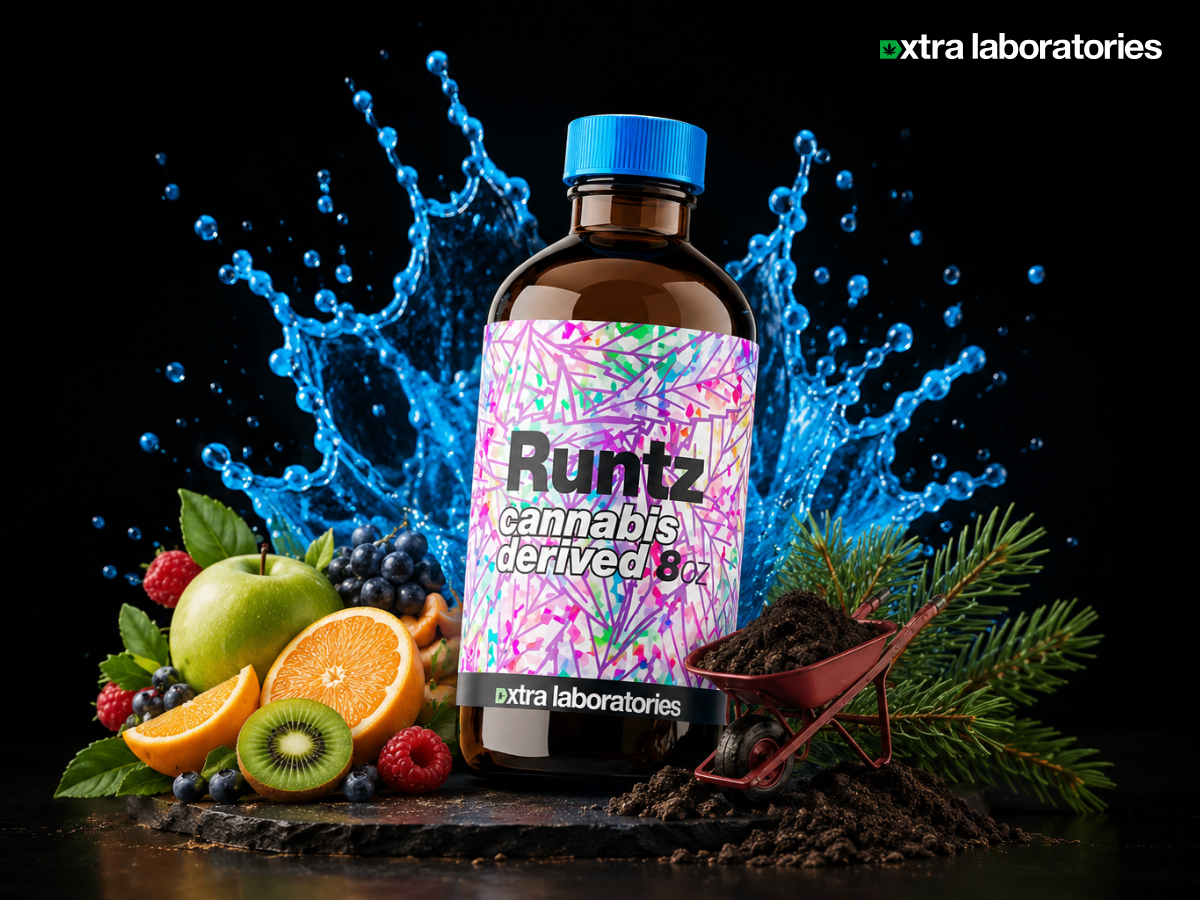

CDT weed refers to cannabis products, particularly vape cartridges, that are infused or flavored with Cannabis-Derived Terpenes (CDT). Unlike botanical or synthetic options, these organic aromatic compounds are extracted directly from authentic cannabis plants. You will frequently spot CDT listed on dispensary menus, jar labels, and vape hardware packaging as an indicator of strain-accurate aroma and premium quality.
What Does CDT Mean in Weed, Exactly?
The acronym CDT stands for Cannabis-Derived Terpenes.
To understand CDT, it helps to first understand terpenes: volatile organic compounds that occur naturally in thousands of plant species, giving lavender its soothing aroma, pine needles their crisp scent, and lemons their bright citrus punch. In the cannabis plant, terpenes serve as the structural foundation of aroma and flavor.
While botanically derived terpenes are isolated from non-cannabis plants (such as fruits, herbs, and trees) to recreate a specific flavor profile, CDT is derived directly from cannabis biomass. Because CDT preserves the complex, subtle matrix of the original plant, it is widely prized for delivering a taste and aroma profile that stays true to the living strain.
You will notice "CDT" printed primarily on products in legal, regulated markets. Regulators often require explicit disclosure of ingredient sourcing, allowing consumers to distinguish between cannabis-native profiles and botanical flavor blends.

Is CDT the Same as THC or a Cannabinoid?
No, CDT is not a cannabinoid, nor is it psychoactive on its own.
It is easy to see why consumers get confused; the word "cannabis-derived" leads many to assume CDT will induce a high. However, clear category distinctions exist:
- Cannabinoids (THC, CBD, CBG): Active plant compounds that bind directly to cannabinoid receptors in the body to produce psychoactive or therapeutic effects.
- Terpenes (CDT): Aromatic oils responsible for taste, smell, and modulating the overall experience.
While terpenes do not cause intoxication independently, they play a key role in the entourage effect. In this synergistic process, terpenes work alongside cannabinoids to shape, balance, or influence the overall character and direction of your experience without providing independent psychoactive potency.
What Is a CDT Cart or CDT Vape?
A CDT cart (or CDT vape) is a pre-filled vape cartridge or disposable device that uses cannabis-derived terpenes for its flavor profile rather than non-cannabis botanical isolates or artificial flavoring agents.
Brands explicitly print "CDT" on vape packaging to signal authentic craftsmanship and premium product positioning to discerning consumers. Standard distillate cartridges can sometimes taste overly synthetic or candy-like; CDT vapes, by contrast, are formulated to deliver a smooth, strain-accurate, and natural plant profile.
A finished cart consists of several integrated components:
- Cannabinoid Base: Refined distillate or full-spectrum oil.
- Terpenes: The CDT profile blended at ideal ratios for viscosity and flavor.
- Hardware: High-grade ceramic or stainless steel heating elements.
Keep in mind that labeling alone is not a guarantee. True product credibility relies on full panel testing and transparent documentation to verify origin and purity.
Do CDT Carts Get You High?
Yes, CDT carts will get you high, but that high comes from the THC or active cannabinoid content, not from the CDT itself.
Terpenes direct the flavor, aroma, and general nuances of your session, but they do not dictate raw psychoactive strength. A "CDT" label simply describes where the flavor comes from; it does not indicate potency.
To gauge how strong a vape cart will be, skip the flavor description and review the cannabinoid analysis on the product’s Certificate of Analysis (COA) or packaging label.
CDT vs. Botanical Terpenes — Quick Comparison
When evaluating formulation options, understanding the practical trade-offs between CDT and botanically derived terpenes helps clarify product positioning:
|
Feature |
Cannabis-Derived Terpenes (CDT) |
Botanically Derived Terpenes |
|
Source |
Extracted directly from cannabis plants. |
Isolated from non-cannabis plants (citrus, pine, lavender, etc.). |
|
Flavor Accuracy |
True-to-strain, deep, dynamic cannabis complexity. |
Formulated to match strain profiles or fruit-forward notes. |
|
Typical Cost |
Ultra-premium ($2,000 – $15,000 per liter). |
Cost-effective ($300 – $1,500 per liter). |
|
Best Use Case |
Connoisseur vapes, strain-authentic signature SKUs. |
Scalable lines, fruit profiles, volume market products. |
CDT carries a higher price point due to the lower yields and specialized biomass extraction required to capture authentic strain profiles. Botanical terpenes, meanwhile, allow formulators to consistently and economically recreate strain profiles at scale. Neither option is universally "better" it comes down to matching your brand's target positioning, market requirements, and cost structure.
Why It Matters for Flavor and Effects
Terpenes are more than just aroma, they are fundamental to how we process and remember sensory experiences. Through the entourage effect, natural terpenes work in harmony with cannabinoids to refine the overall functional experience.
For manufacturers, maintaining precise terpene consistency across production runs is essential. The human olfactory system connects directly to the limbic system, the brain's emotional and memory hub. When a consumer finds a strain profile that delivers the exact taste and feeling they enjoy, that aroma becomes a sensory bookmark. Achieving batch-to-batch consistency builds long-term consumer trust and brand loyalty.
Frequently Asked Questions
CDT stands for Cannabis-Derived Terpenes. These are natural aromatic oils extracted directly from cannabis plants to deliver authentic strain flavor and aroma.
A CDT vape is a cartridge or disposable vape pen flavored with terpenes sourced exclusively from cannabis rather than non-cannabis botanical plants or artificial additives.
Yes. CDT profiles consist entirely of naturally occurring plant compounds extracted directly from green plant material without synthetic reconstruction.
Distillate is a highly refined, purified cannabinoid concentrate (typically high in THC) that is largely stripped of flavor. CDT is the extracted terpene fraction added back to distillate to restore strain-specific flavor and aroma.
Yes, but the high is produced by the THC and cannabinoids in the vape oil, not by the CDT terpenes themselves.
Ready to Elevate Your Formulations?
Understanding terpene chemistry is the key to creating products consumers return to time and again. Whether you are targeting true-to-strain authenticity or designing a custom signature profile, your choice of terpenes shapes your product's success in the market. At Xtra Laboratories, we provide ISO/GMP-aligned, lab-tested terpene profiles designed for performance, stability, and clean hardware execution. Explore our catalog of over 200 botanically derived and cannabis-derived profiles, engineered to meet the highest industry standards.
Share:
Sour Diesel Terpenes: The Complete Terpene Profile Guide
What Are Terpenes Used For? The Complete Guide to Terpene Uses & Effects